
Outlook & Considerations
Analysts expect Denny’s to pursue an ambitious modernization strategy post-acquisition, including updated restaurant interiors, expanded online ordering, and new menu offerings.
Key considerations will include maintaining its nostalgic identity while appealing to younger diners and a shifting breakfast culture.
The company is also likely to test smaller-format urban locations and partnerships with delivery platforms to boost accessibility.
If executed well, Denny’s privatization could become a model for how classic American restaurant chains reinvent themselves in an increasingly competitive market.
With its legacy, loyal customer base, and new private ownership, Denny’s appears poised for a revival that could reintroduce the brand to a new generation of diners.
5/9
5/9
5/9
Denny’s Corp to Go Private
Denny’s Corp to Go Private
Denny’s Corp to Go Private
Author: Ethan Caldwell
Author: Ethan Caldwell
Author: Ethan Caldwell
Date of writing: 5 December 2025
Date of writing: 5 December 2025
Date of writing: 5 December 2025
x
x
English
𐊾
Prime Highlights
Denny’s Corporation has agreed to be taken private in a $620 million acquisition deal.
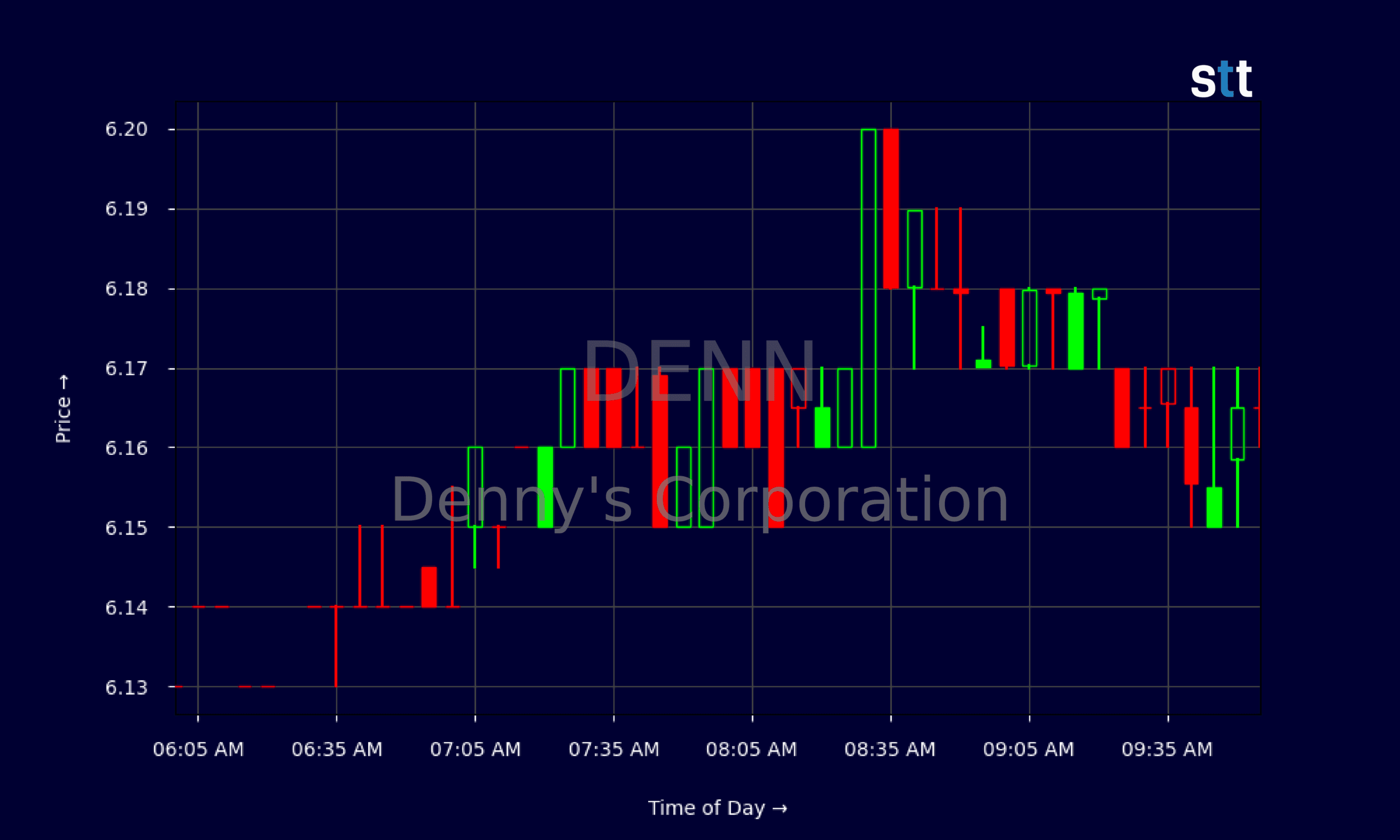
The announcement sent Denny’s stock price soaring by nearly 50 percent, marking its largest single-day gain in decades.
The move ends Denny’s long run as a publicly traded company, signaling a new chapter for the iconic American diner chain.
Industry analysts say the deal reflects renewed investor interest in established restaurant brands with strong consumer recognition.
Key Facts
The $620 million deal will see Denny’s acquired by a private investment group specializing in hospitality and food-service turnarounds.
Denny’s shares jumped almost 50 percent following the announcement, reaching their highest level since the early 2000s.
The company operates more than 1,500 locations worldwide, known for its 24-hour dining model and classic breakfast offerings.
Background
Founded in 1953, Denny’s has long been a cornerstone of American roadside and family dining.
Over the years, the chain has weathered shifts in the restaurant industry, from fast-casual competition to pandemic-era challenges.
The company’s recent years saw slow but steady recovery as it focused on menu innovation, franchise partnerships, and late-night dining promotions.
What it Means
The buyout signals growing confidence from private investors in legacy restaurant chains that can be revitalized for modern audiences.
For Denny’s, it means the freedom to focus on brand reinvention, technology upgrades, and international expansion without stock market scrutiny. For shareholders, the transaction represents a strong exit opportunity after years of modest performance.
Prime Highlights
Denny’s Corporation has agreed to be taken private in a $620 million acquisition deal.
The announcement sent Denny’s stock price soaring by nearly 50 percent, marking its largest single-day gain in decades. The move ends Denny’s long run as a publicly traded company, signaling a new chapter for the iconic American diner chain. Industry analysts say the deal reflects renewed investor interest in established restaurant brands with strong consumer recognition.
Key Facts
The $620 million deal will see Denny’s acquired by a private investment group specializing in hospitality and food-service turnarounds. Denny’s shares jumped almost 50 percent following the announcement, reaching their highest level since the early 2000s. The company operates more than 1,500 locations worldwide, known for its 24-hour dining model and classic breakfast offerings. Executives stated that going private will allow the brand to streamline operations, modernize store design, and invest more aggressively in digital and delivery infrastructure. The transaction is expected to close later in 2026, pending shareholder and regulatory approvals.
Background
Founded in 1953, Denny’s has long been a cornerstone of American roadside and family dining.
Over the years, the chain has weathered shifts in the restaurant industry, from fast-casual competition to pandemic-era challenges. The company’s recent years saw slow but steady recovery as it focused on menu innovation, franchise partnerships, and late-night dining promotions. Going private marks a strategic shift aimed at giving leadership more flexibility in long-term planning without the pressure of quarterly market expectations.
What it Means
The buyout signals growing confidence from private investors in legacy restaurant chains that can be revitalized for modern audiences. For Denny’s, it means the freedom to focus on brand reinvention, technology upgrades, and international expansion without stock market scrutiny. For shareholders, the transaction represents a strong exit opportunity after years of modest performance.
Outlook & Consideration
Analysts expect Denny’s to pursue an ambitious modernization strategy post-acquisition, including updated restaurant interiors, expanded online ordering, and new menu offerings.
Key considerations will include maintaining its nostalgic identity while appealing to younger diners and a shifting breakfast culture. The company is also likely to test smaller-format urban locations and partnerships with delivery platforms to boost accessibility. If executed well, Denny’s privatization could become a model for how classic American restaurant chains reinvent themselves in an increasingly competitive market. With its legacy, loyal customer base, and new private ownership, Denny’s appears poised for a revival that could reintroduce the brand to a new generation of diners.
Prime Highlights
Denny’s Corporation has agreed to be taken private in a $620 million acquisition deal. The announcement sent Denny’s stock price soaring by nearly 50 percent, marking its largest single-day gain in decades. The move ends Denny’s long run as a publicly traded company, signaling a new chapter for the iconic American diner chain. Industry analysts say the deal reflects renewed investor interest in established restaurant brands with strong consumer recognition.
Key Facts
The $620 million deal will see Denny’s acquired by a private investment group specializing in hospitality and food-service turnarounds. Denny’s shares jumped almost 50 percent following the announcement, reaching their highest level since the early 2000s. The company operates more than 1,500 locations worldwide, known for its 24-hour dining model and classic breakfast offerings.
Executives stated that going private will allow the brand to streamline operations, modernize store design, and invest more aggressively in digital and delivery infrastructure.
Background
Founded in 1953, Denny’s has long been a cornerstone of American roadside and family dining. Over the years, the chain has weathered shifts in the restaurant industry, from fast-casual competition to pandemic-era challenges. The company’s recent years saw slow but steady recovery as it focused on menu innovation, franchise partnerships, and late-night dining promotions.
What it Means
The buyout signals growing confidence from private investors in legacy restaurant chains that can be revitalized for modern audiences. For Denny’s, it means the freedom to focus on brand reinvention, technology upgrades, and international expansion without stock market scrutiny. For shareholders, the transaction represents a strong exit opportunity after years of modest performance.
Outlook & Consideration
Analysts expect Denny’s to pursue an ambitious modernization strategy post-acquisition, including updated restaurant interiors, expanded online ordering, and new menu offerings. Key considerations will include maintaining its nostalgic identity while appealing to younger diners and a shifting breakfast culture. The company is also likely to test smaller-format urban locations and partnerships with delivery platforms to boost accessibility. If executed well, Denny’s privatization could become a model for how classic American restaurant chains reinvent themselves in an increasingly competitive market. With its legacy, loyal customer base, and new private ownership, Denny’s appears poised for a revival that could reintroduce the brand to a new generation of diners.