Prime Highlights
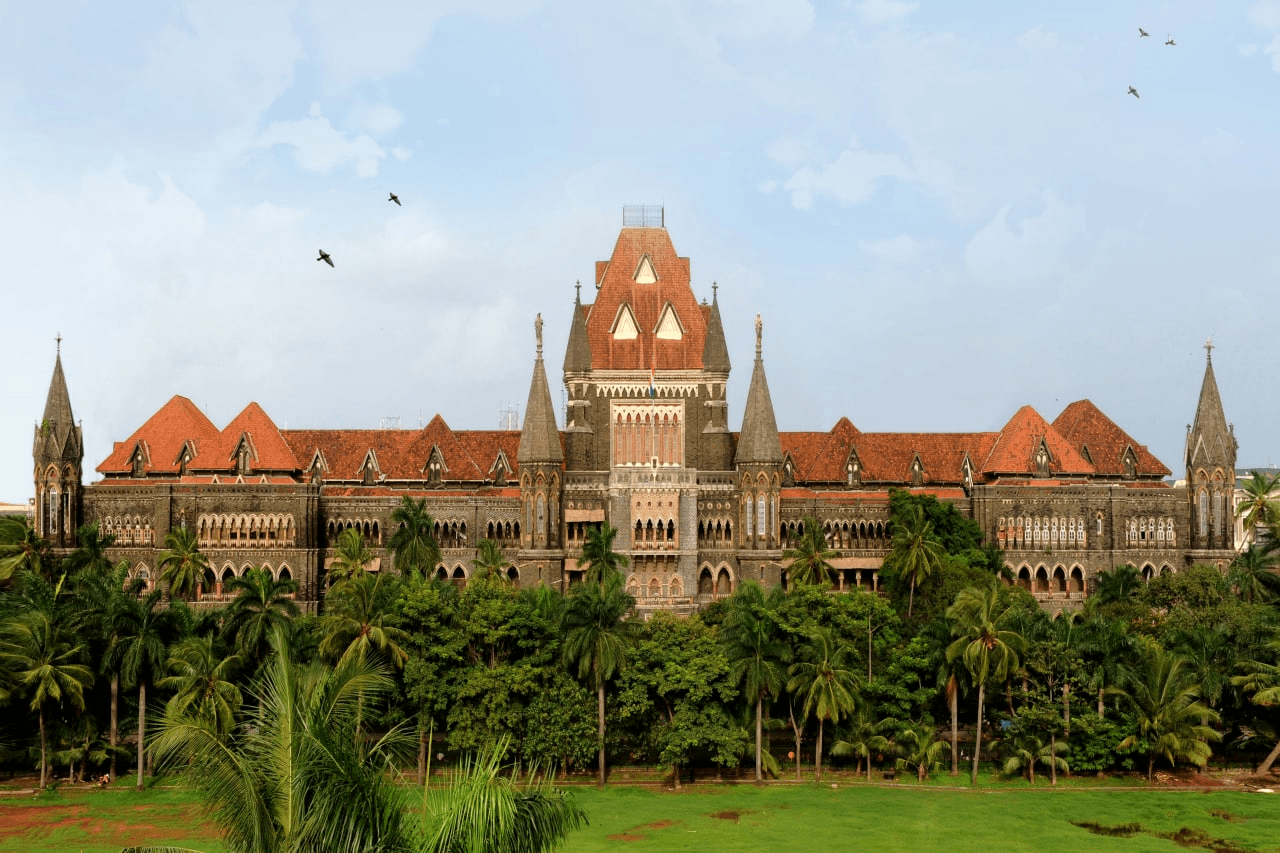
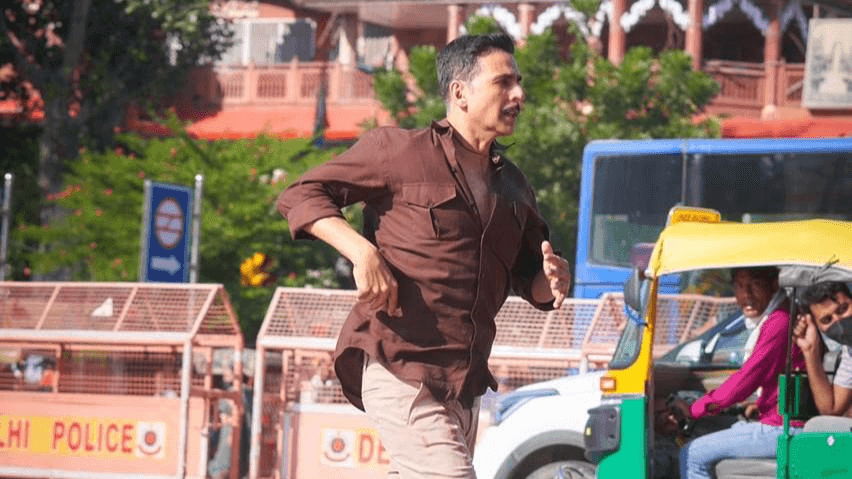
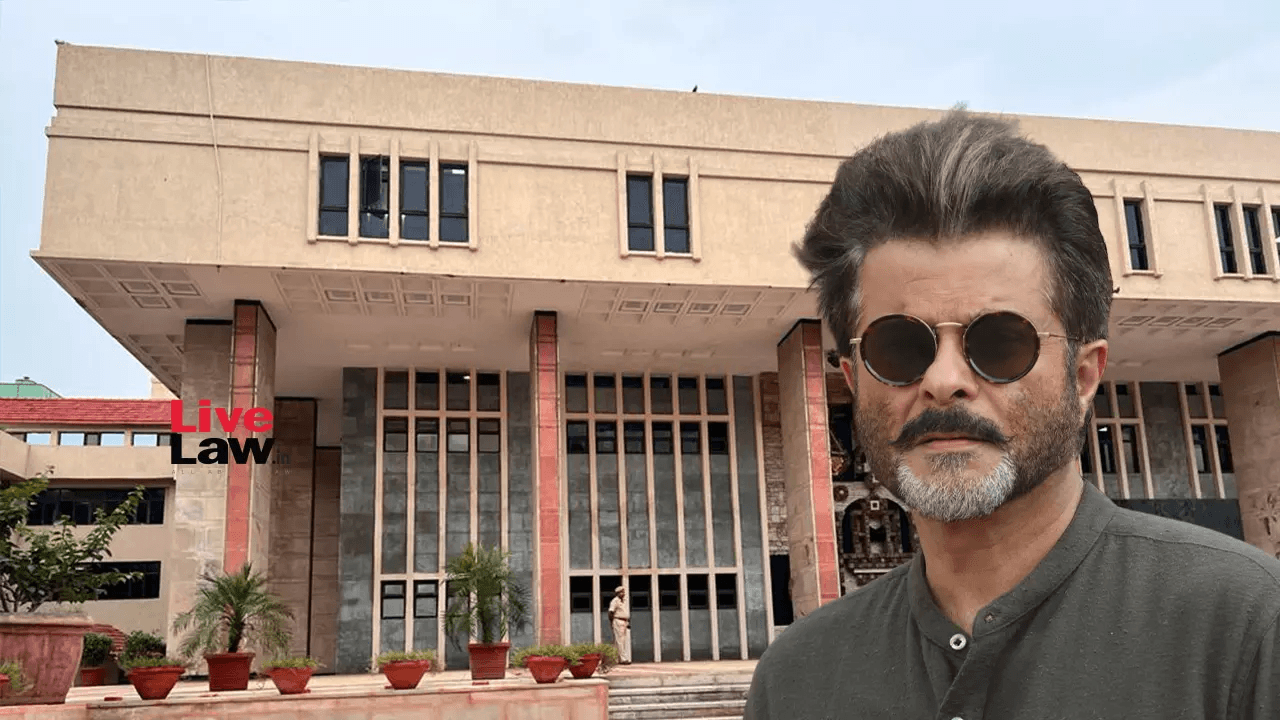
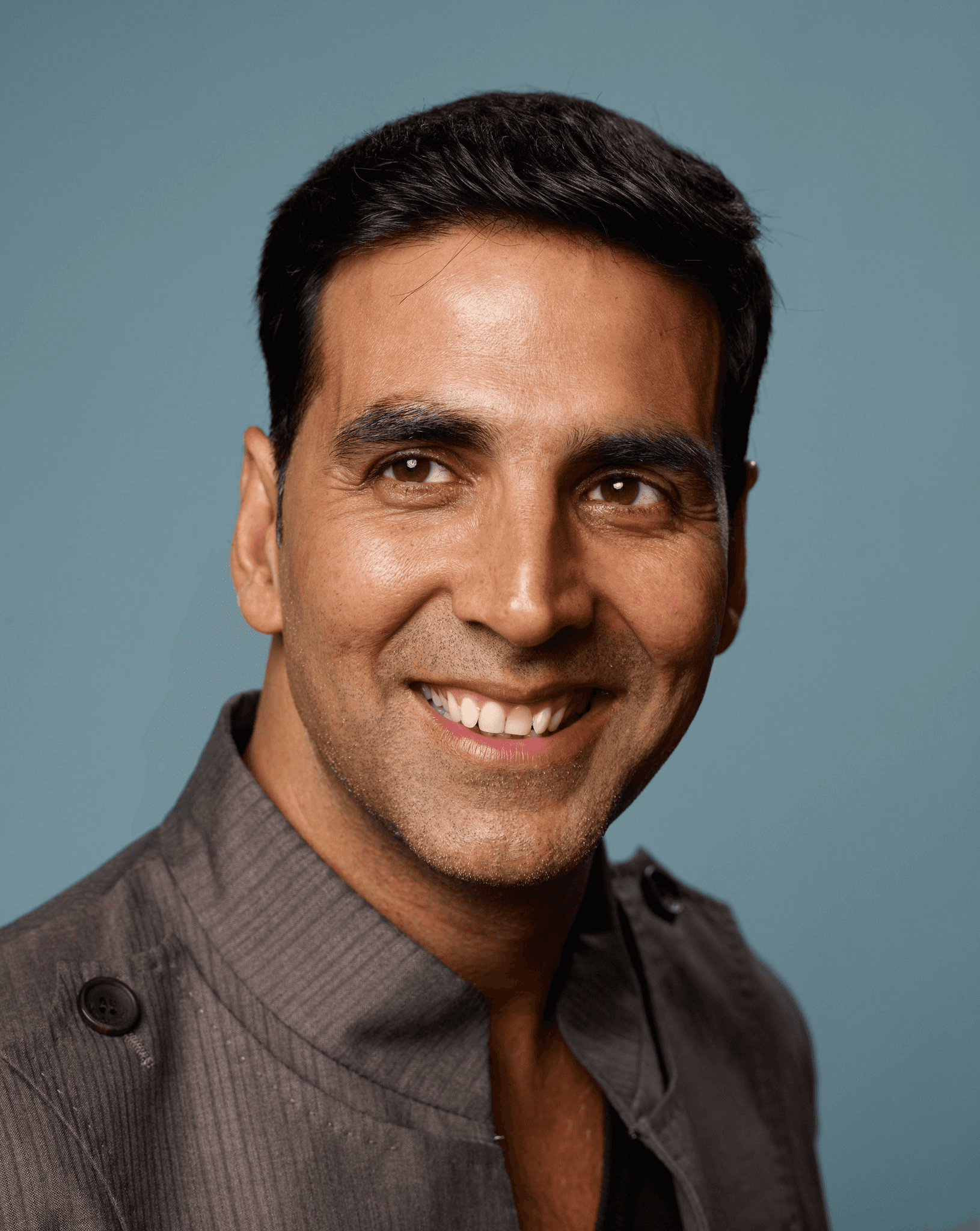
Bollywood superstar Akshay Kumar has filed a significant lawsuit in the Bombay High Court seeking protection of his personality rights, amid growing concerns over unauthorized use of his voice and likeness through artificial intelligence. The legal action highlights rising tensions between celebrity rights and rapidly advancing AI technologies capable of mimicking public figures without consent.
The case is being closely watched across the entertainment, legal, and technology sectors, as it could set an important precedent for digital identity protection in India.
Key Facts
Akshay Kumar has approached the Bombay High Court to restrain individuals and entities from using AI-generated replicas of his voice, image, or persona without authorization.
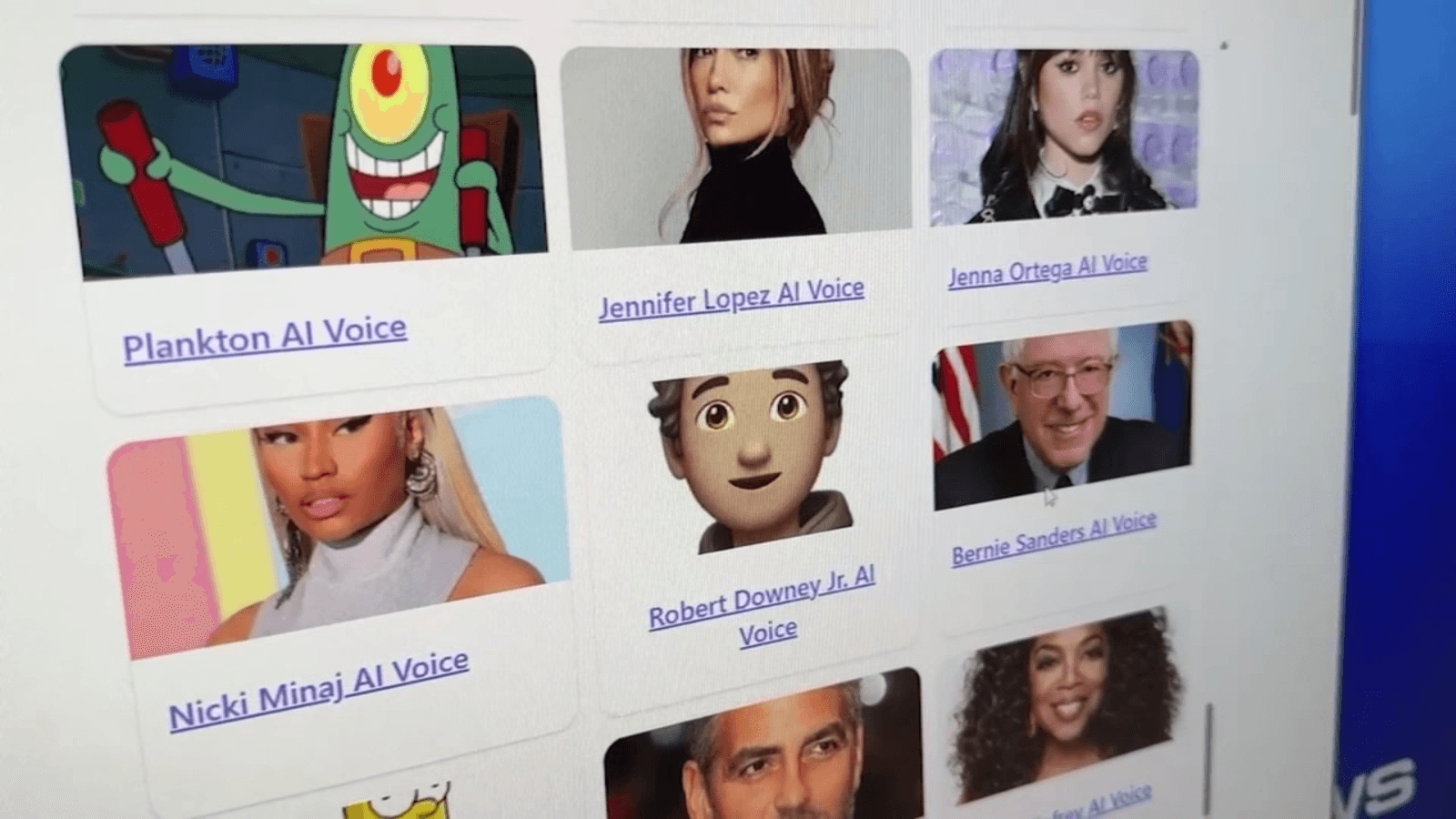
The lawsuit challenges deepfake videos, synthetic voiceovers, and misleading advertisements allegedly circulating online.
The actor has sought injunctions, damages, and stronger enforcement mechanisms against misuse of celebrity identity.
This follows similar global legal actions by public figures against AI misuse, reflecting a growing international concern.
Background
With the rise of generative AI tools, creating realistic audio and visual replicas of well-known personalities has become easier and more accessible. In recent years, several Indian celebrities have reported misuse of their likeness in fake endorsements, scam videos, and manipulated content.
What it Means
This lawsuit underscores the urgent need to redefine intellectual property and personality rights in the age of artificial intelligence. If successful, it could strengthen legal safeguards for celebrities and public figures against unauthorized AI-generated content. It also sends a broader message to technology platforms, advertisers, and content creators about accountability, consent, and ethical AI usage.
Prime Highlights
Bollywood superstar Akshay Kumar has filed a significant lawsuit in the Bombay High Court seeking protection of his personality rights, amid growing concerns over unauthorized use of his voice and likeness through artificial intelligence. The legal action highlights rising tensions between celebrity rights and rapidly advancing AI technologies capable of mimicking public figures without consent.
The case is being closely watched across the entertainment, legal, and technology sectors, as it could set an important precedent for digital identity protection in India.
Key Facts
Akshay Kumar has approached the Bombay High Court to restrain individuals and entities from using AI-generated replicas of his voice, image, or persona without authorization.
The lawsuit challenges deepfake videos, synthetic voiceovers, and misleading advertisements allegedly circulating online.
The actor has sought injunctions, damages, and stronger enforcement mechanisms against misuse of celebrity identity.
This follows similar global legal actions by public figures against AI misuse, reflecting a growing international concern.
Background
With the rise of generative AI tools, creating realistic audio and visual replicas of well-known personalities has become easier and more accessible. In recent years, several Indian celebrities have reported misuse of their likeness in fake endorsements, scam videos, and manipulated content.
Akshay Kumar, one of India’s most recognizable actors with a strong brand presence, has frequently been targeted by such content, prompting the need for judicial intervention. Indian courts have previously acknowledged personality rights, but AI-driven misuse has added a new layer of complexity to enforcement.
What it Means
This lawsuit underscores the urgent need to redefine intellectual property and personality rights in the age of artificial intelligence. If successful, it could strengthen legal safeguards for celebrities and public figures against unauthorized AI-generated content. It also sends a broader message to technology platforms, advertisers, and content creators about accountability, consent, and ethical AI usage
Outlook & Consideration
As AI tools continue to advance, courts and lawmakers will face increasing pressure to balance innovation with individual rights. Akshay Kumar’s case could accelerate discussions around dedicated legislation for deepfakes and synthetic media in India.
For celebrities, brands, and consumers alike, the outcome may define clearer boundaries on how digital likenesses can be created, monetized, or restricted. The legal battle marks a pivotal moment in India’s journey toward regulating AI-driven identity misuse in the entertainment and digital economy.
Prime Highlights
Bollywood superstar Akshay Kumar has filed a significant lawsuit in the Bombay High Court seeking protection of his personality rights, amid growing concerns over unauthorized use of his voice and likeness through artificial intelligence. The legal action highlights rising tensions between celebrity rights and rapidly advancing AI technologies capable of mimicking public figures without consent.
The case is being closely watched across the entertainment, legal, and technology sectors, as it could set an important precedent for digital identity protection in India.
Key Facts
Akshay Kumar has approached the Bombay High Court to restrain individuals and entities from using AI-generated replicas of his voice, image, or persona without authorization.
The lawsuit challenges deepfake videos, synthetic voiceovers, and misleading advertisements allegedly circulating online.
The actor has sought injunctions, damages, and stronger enforcement mechanisms against misuse of celebrity identity.
This follows similar global legal actions by public figures against AI misuse, reflecting a growing international concern.
Background
With the rise of generative AI tools, creating realistic audio and visual replicas of well-known personalities has become easier and more accessible. In recent years, several Indian celebrities have reported misuse of their likeness in fake endorsements, scam videos, and manipulated content..
What it Means
This lawsuit underscores the urgent need to redefine intellectual property and personality rights in the age of artificial intelligence. If successful, it could strengthen legal safeguards for celebrities and public figures against unauthorized AI-generated content.
It also sends a broader message to technology platforms, advertisers, and content creators about accountability, consent, and ethical AI usage.
Outlook & Consideration
As AI tools continue to advance, courts and lawmakers will face increasing pressure to balance innovation with individual rights. Akshay Kumar’s case could accelerate discussions around dedicated legislation for deepfakes and synthetic media in India.
For celebrities, brands, and consumers alike, the outcome may define clearer boundaries on how digital likenesses can be created, monetized, or restricted. The legal battle marks a pivotal moment in India’s journey toward regulating AI-driven identity misuse in the entertainment and digital economy.
Outlook & Considerations
As AI tools continue to advance, courts and lawmakers will face increasing pressure to balance innovation with individual rights. Akshay Kumar’s case could accelerate discussions around dedicated legislation for deepfakes and synthetic media in India.
For celebrities, brands, and consumers alike, the outcome may define clearer boundaries on how digital likenesses can be created, monetized, or restricted. The legal battle marks a pivotal moment in India’s journey toward regulating AI-driven identity misuse in the entertainment and digital economy.
3/9
3/9
3/9
Digital Identity Rights
Digital Identity Rights
Digital Identity Rights
Author: Neha Kulkarni
Author: Neha Kulkarni
Author: Neha Kulkarni
Date of writing: January 6, 2026
Date of writing: January 6, 2026
Date of writing: January 6, 2026
x
x
English
𐊾