Prime Highlights
ESL FACEIT Group has indicated that its ongoing cost-cutting measures may represent the conclusion of what it has described as its most challenging phase in recent years. Alongside this stabilisation, the company has outlined Saudi Arabia as a central pillar of its long-term growth strategy, with competitive ecosystems around CS2 and Dota 2 remaining core priorities.
The update has drawn attention across the global esports industry, signalling both financial discipline and renewed geographic focus following a period of restructuring.
Key Facts
ESL FACEIT Group stated that the current round of cost controls could mark the end of its “worst” operational phase.
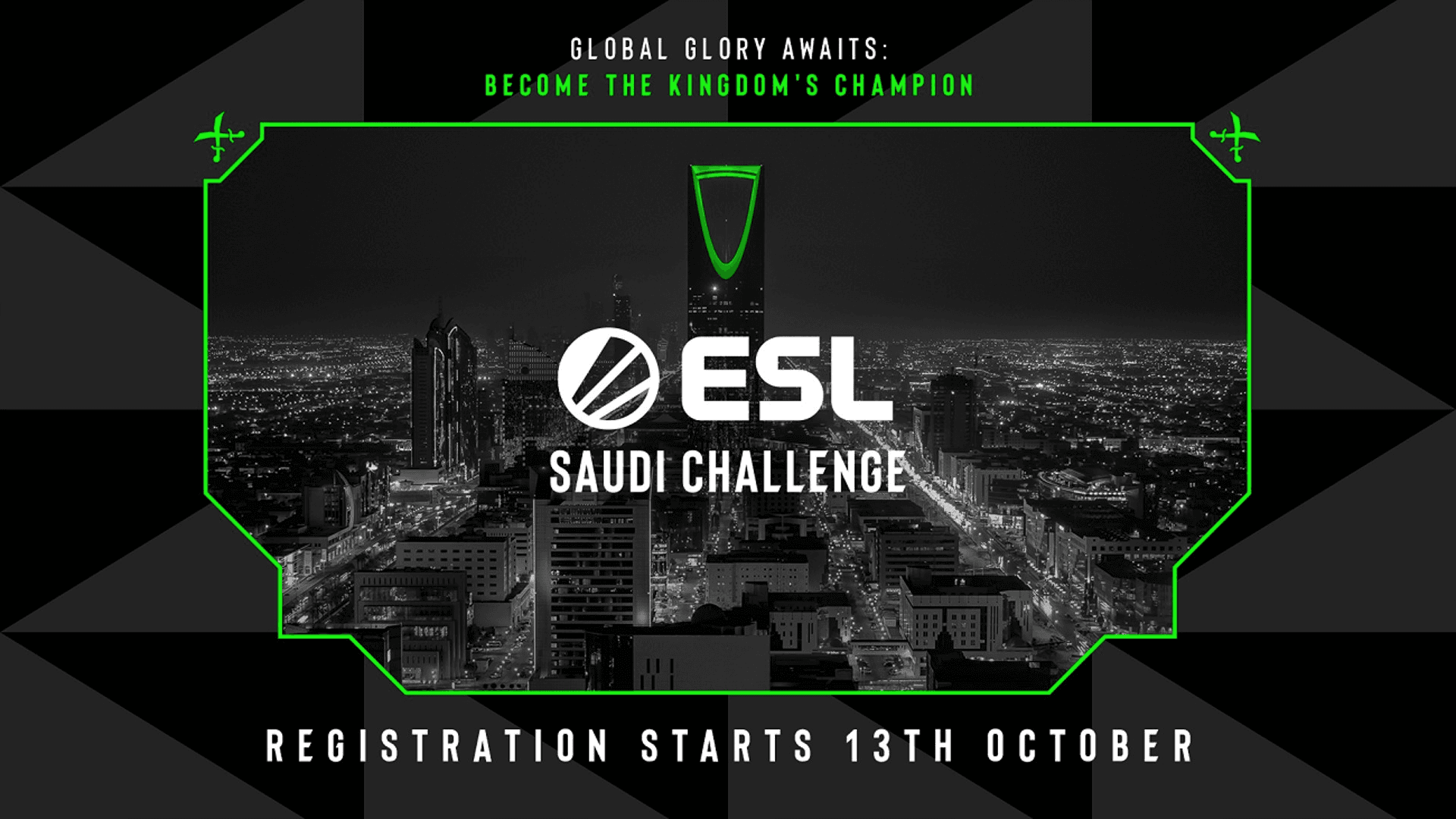
Saudi Arabia has been identified as a strategic hub for future tournaments, partnerships, and ecosystem development.
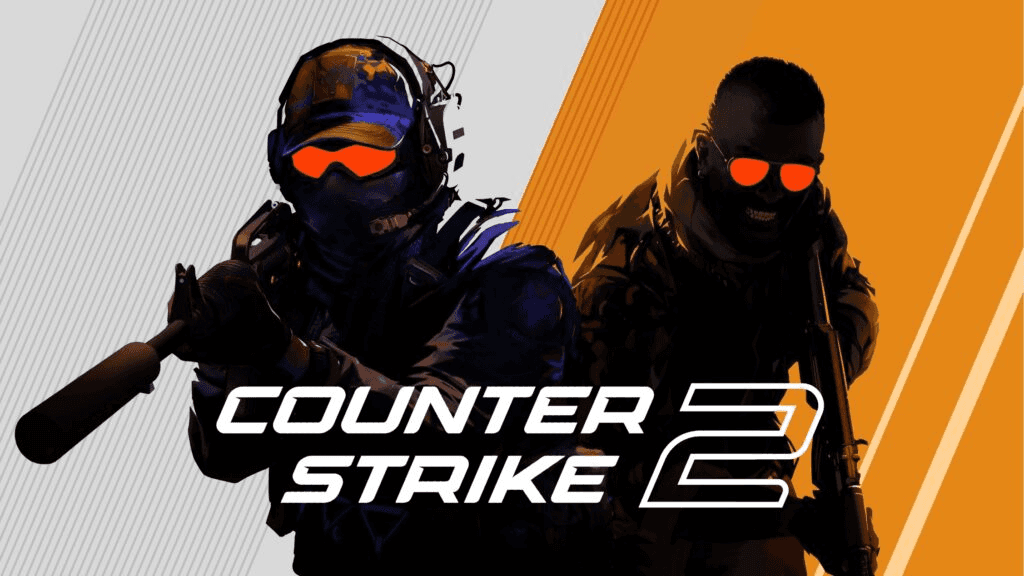
Counter-Strike 2 and Dota 2 will continue to anchor the group’s flagship competitive offerings.
The company has undertaken layoffs and operational consolidation over the past year to improve sustainability.
Background
ESL FACEIT Group, one of the world’s largest esports tournament organisers and platform operators, has faced mounting pressures from rising production costs, fluctuating sponsorship markets, and broader economic uncertainty. Over the past year, the company initiated cost-cutting measures to streamline operations and refocus on its most commercially viable assets.
What it Means
The indication that the worst phase may be over suggests improved financial visibility and operational stability for ESL FACEIT Group. By doubling down on Saudi Arabia, the company is aligning itself with one of the few markets currently offering large-scale capital, infrastructure support, and government backing for esports.
Maintaining focus on CS2 and Dota 2 also signals a shift away from over-expansion, prioritising proven titles with established global audiences and commercial value.
Prime Highlights
ESL FACEIT Group has indicated that its ongoing cost-cutting measures may represent the conclusion of what it has described as its most challenging phase in recent years. Alongside this stabilisation, the company has outlined Saudi Arabia as a central pillar of its long-term growth strategy, with competitive ecosystems around CS2 and Dota 2 remaining core priorities.
The update has drawn attention across the global esports industry, signalling both financial discipline and renewed geographic focus following a period of restructuring.
Key Facts
ESL FACEIT Group stated that the current round of cost controls could mark the end of its “worst” operational phase.
Saudi Arabia has been identified as a strategic hub for future tournaments, partnerships, and ecosystem development.
Counter-Strike 2 and Dota 2 will continue to anchor the group’s flagship competitive offerings.
The company has undertaken layoffs and operational consolidation over the past year to improve sustainability.
Background
ESL FACEIT Group, one of the world’s largest esports tournament organisers and platform operators, has faced mounting pressures from rising production costs, fluctuating sponsorship markets, and broader economic uncertainty. Over the past year, the company initiated cost-cutting measures to streamline operations and refocus on its most commercially viable assets.
What it Means
The indication that the worst phase may be over suggests improved financial visibility and operational stability for ESL FACEIT Group. By doubling down on Saudi Arabia, the company is aligning itself with one of the few markets currently offering large-scale capital, infrastructure support, and government backing for esports.
Maintaining focus on CS2 and Dota 2 also signals a shift away from over-expansion, prioritising proven titles with established global audiences and commercial value.
Outlook & Consideration
If execution matches intent, ESL FACEIT Group could enter 2026 in a more resilient position, balancing disciplined spending with targeted growth. Saudi Arabia’s role is likely to expand through hosting rights, regional leagues, and long-term partnerships, potentially reshaping global esports calendars.
However, reliance on a limited number of titles and regions also brings concentration risk. The group’s future success will depend on sustaining audience engagement, securing diversified revenue streams, and navigating evolving expectations around governance, inclusivity, and competitive integrity in the esports ecosystem.
Prime Highlights
ESL FACEIT Group has indicated that its ongoing cost-cutting measures may represent the conclusion of what it has described as its most challenging phase in recent years. Alongside this stabilisation, the company has outlined Saudi Arabia as a central pillar of its long-term growth strategy, with competitive ecosystems around CS2 and Dota 2 remaining core priorities.
The update has drawn attention across the global esports industry, signalling both financial discipline and renewed geographic focus following a period of restructuring.
Key Facts
ESL FACEIT Group stated that the current round of cost controls could mark the end of its “worst” operational phase.
Saudi Arabia has been identified as a strategic hub for future tournaments, partnerships, and ecosystem development.
Counter-Strike 2 and Dota 2 will continue to anchor the group’s flagship competitive offerings.
The company has undertaken layoffs and operational consolidation over the past year to improve sustainability.
Background
ESL FACEIT Group, one of the world’s largest esports tournament organisers and platform operators, has faced mounting pressures from rising production costs, fluctuating sponsorship markets, and broader economic uncertainty. Over the past year, the company initiated cost-cutting measures to streamline operations and refocus on its most commercially viable assets. At the same time, Saudi Arabia has emerged as a major force in esports and gaming through large-scale investments, international events, and long-term national strategies tied to entertainment and digital economy growth.
What it Means
The indication that the worst phase may be over suggests improved financial visibility and operational stability for ESL FACEIT Group. By doubling down on Saudi Arabia, the company is aligning itself with one of the few markets currently offering large-scale capital, infrastructure support, and government backing for esports. Maintaining focus on CS2 and Dota 2 also signals a shift away from over-expansion, prioritising proven titles with established global audiences and commercial value.
Outlook & Consideration
If execution matches intent, ESL FACEIT Group could enter 2026 in a more resilient position, balancing disciplined spending with targeted growth. Saudi Arabia’s role is likely to expand through hosting rights, regional leagues, and long-term partnerships, potentially reshaping global esports calendars.
However, reliance on a limited number of titles and regions also brings concentration risk. The group’s future success will depend on sustaining audience engagement, securing diversified revenue streams, and navigating evolving expectations around governance, inclusivity, and competitive integrity in the esports ecosystem.
Outlook & Considerations
If execution matches intent, ESL FACEIT Group could enter 2026 in a more resilient position, balancing disciplined spending with targeted growth. Saudi Arabia’s role is likely to expand through hosting rights, regional leagues, and long-term partnerships, potentially reshaping global esports calendars.
However, reliance on a limited number of titles and regions also brings concentration risk. The group’s future success will depend on sustaining audience engagement, securing diversified revenue streams, and navigating evolving expectations around governance, inclusivity, and competitive integrity in the esports ecosystem.
6/9
6/9
6/9
Saudi Reset
Saudi Reset
Saudi Reset
Author: Anirudh Malhotra
Author: Anirudh Malhotra
Author: Anirudh Malhotra
Date of writing: December 6, 2025
Date of writing: December 6, 2025
Date of writing: December 6, 2025
x
x
English
𐊾