

Prime Highlights
Singapore has proposed new legislation through the Singapore Sports Council (Amendment) Bill 2025 to formally recognise eSports and mind-sports as part of its national sports framework. The move signals a significant policy shift, acknowledging the growing cultural, economic, and competitive relevance of non-traditional sports.
If passed, the bill would place eSports and mind-sports alongside conventional physical sports under the governance and support structures of the Singapore Sports Council.
Key Facts
The proposed amendment seeks to officially recognise eSports and mind-sports at a national level.
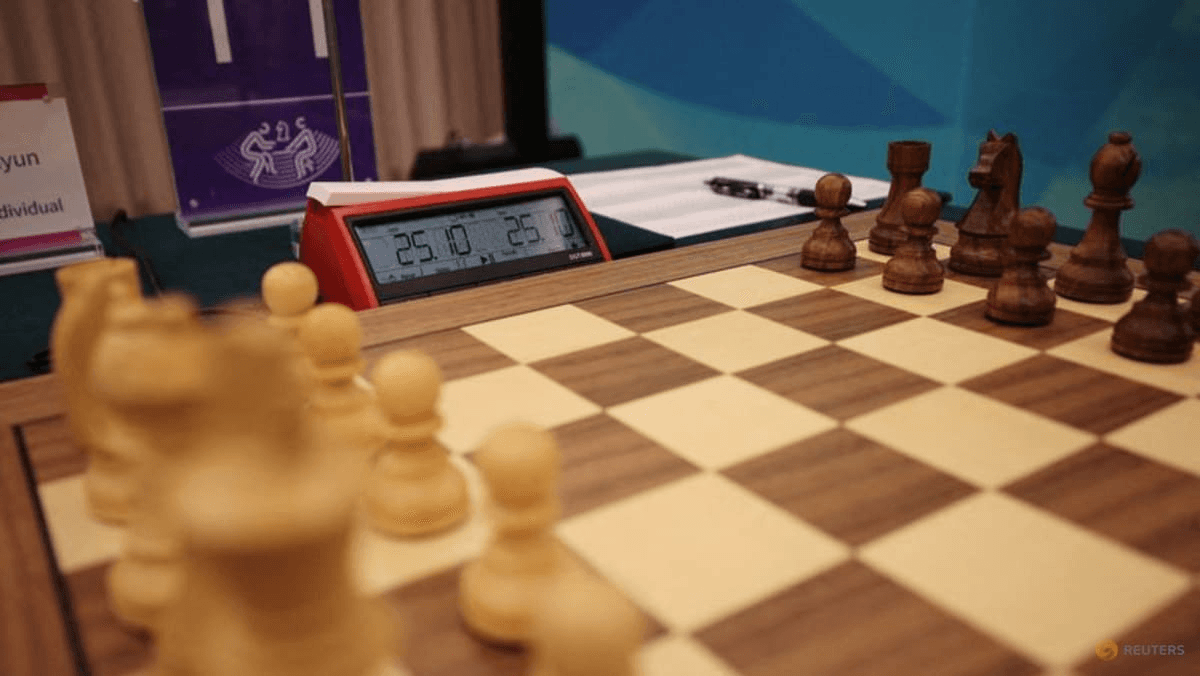
Mind-sports may include activities such as chess, bridge, and other strategic competitive disciplines.
Recognition would allow these sports to access funding, athlete development programs, and institutional support.
Singapore aims to align its sports policy with evolving global trends in digital and intellectual competition.
Background
Over the past decade, eSports has grown from a niche subculture into a global industry worth billions of dollars, with professional leagues, international tournaments, and dedicated fan bases. Singapore has emerged as a regional hub for gaming, hosting major tournaments and nurturing competitive talent.
What it Means
Formal recognition under Singapore’s national sports framework would legitimise eSports and mind-sports as serious competitive pursuits. It may also reshape public perception, positioning these activities as viable career paths rather than recreational hobbies.
For young participants, the move could open doors to structured training, scholarships, and international representation, while strengthening Singapore’s reputation as a forward-looking sports nation.
Prime Highlights
Singapore has proposed new legislation through the Singapore Sports Council (Amendment) Bill 2025 to formally recognise eSports and mind-sports as part of its national sports framework. The move signals a significant policy shift, acknowledging the growing cultural, economic, and competitive relevance of non-traditional sports.
If passed, the bill would place eSports and mind-sports alongside conventional physical sports under the governance and support structures of the Singapore Sports Council.
Key Facts
The proposed amendment seeks to officially recognise eSports and mind-sports at a national level.
Mind-sports may include activities such as chess, bridge, and other strategic competitive disciplines.
Recognition would allow these sports to access funding, athlete development programs, and institutional support.
Singapore aims to align its sports policy with evolving global trends in digital and intellectual competition.
Background
Over the past decade, eSports has grown from a niche subculture into a global industry worth billions of dollars, with professional leagues, international tournaments, and dedicated fan bases. Singapore has emerged as a regional hub for gaming, hosting major tournaments and nurturing competitive talent.
Mind-sports, meanwhile, have long been recognised internationally for their emphasis on skill, strategy, and mental discipline, even though they often lack the institutional backing given to physical sports. The amendment bill builds on years of advocacy by players, organisers, and educators seeking broader recognition.
What it Means
Formal recognition under Singapore’s national sports framework would legitimise eSports and mind-sports as serious competitive pursuits. It may also reshape public perception, positioning these activities as viable career paths rather than recreational hobbies.
For young participants, the move could open doors to structured training, scholarships, and international representation, while strengthening Singapore’s reputation as a forward-looking sports nation.
Outlook & Consideration
If enacted, the legislation could encourage other countries in Asia to adopt similar frameworks, accelerating policy acceptance of digital and cognitive sports worldwide. It may also lead to increased investment, clearer governance standards, and enhanced athlete welfare.
However, regulators will need to address challenges such as fair play, player health, age participation norms, and ethical use of technology. Balancing innovation with responsibility will be key as Singapore charts this new chapter in its sports ecosystem.
Prime Highlights
Singapore has proposed new legislation through the Singapore Sports Council (Amendment) Bill 2025 to formally recognise eSports and mind-sports as part of its national sports framework. The move signals a significant policy shift, acknowledging the growing cultural, economic, and competitive relevance of non-traditional sports. If passed, the bill would place eSports and mind-sports alongside conventional physical sports under the governance and support structures of the Singapore Sports Council.
Key Facts
The proposed amendment seeks to officially recognise eSports and mind-sports at a national level.
Mind-sports may include activities such as chess, bridge, and other strategic competitive disciplines.
Recognition would allow these sports to access funding, athlete development programs, and institutional support.
Singapore aims to align its sports policy with evolving global trends in digital and intellectual competition.
Background
Over the past decade, eSports has grown from a niche subculture into a global industry worth billions of dollars, with professional leagues, international tournaments, and dedicated fan bases. Singapore has emerged as a regional hub for gaming, hosting major tournaments and nurturing competitive talent.
Mind-sports, meanwhile, have long been recognised internationally for their emphasis on skill, strategy, and mental discipline, even though they often lack the institutional backing given to physical sports. The amendment bill builds on years of advocacy by players, organisers, and educators seeking broader recognition.
What it Means
Formal recognition under Singapore’s national sports framework would legitimise eSports and mind-sports as serious competitive pursuits. It may also reshape public perception, positioning these activities as viable career paths rather than recreational hobbies.
For young participants, the move could open doors to structured training, scholarships, and international representation, while strengthening Singapore’s reputation as a forward-looking sports nation.
Outlook & Consideration
If enacted, the legislation could encourage other countries in Asia to adopt similar frameworks, accelerating policy acceptance of digital and cognitive sports worldwide. It may also lead to increased investment, clearer governance standards, and enhanced athlete welfare. However, regulators will need to address challenges such as fair play, player health, age participation norms, and ethical use of technology. Balancing innovation with responsibility will be key as Singapore charts this new chapter in its sports ecosystem.
Outlook & Considerations
If enacted, the legislation could encourage other countries in Asia to adopt similar frameworks, accelerating policy acceptance of digital and cognitive sports worldwide. It may also lead to increased investment, clearer governance standards, and enhanced athlete welfare.
However, regulators will need to address challenges such as fair play, player health, age participation norms, and ethical use of technology. Balancing innovation with responsibility will be key as Singapore charts this new chapter in its sports ecosystem.
2/9
2/9
2/9
Digital Sport Shift
Digital Sport Shift
Digital Sport Shift
Author: Aarav Koh
Author: Aarav Koh
Author: Aarav Koh
Date of writing: January 8, 2026
Date of writing: January 8, 2026
Date of writing: January 8, 2026
x
x

English
𐊾