


Prime Highlights
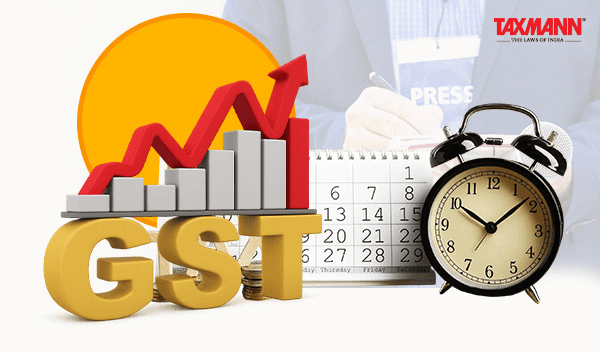
India’s banking sector witnessed improved liquidity conditions in October 2025 as Goods and Services Tax (GST) collections surged to ₹1.96 lakh crore. Major lenders, including HDFC Bank and other large public and private sector banks, benefited from the strong inflows, easing short-term funding pressures and strengthening balance sheets.
The rise in GST collections reflects steady economic activity and consumption trends, offering banks additional comfort on asset quality and credit growth prospects.
Key Facts
GST collections for October 2025 stood at ₹1.96 lakh crore, marking a strong year-on-year increase.
Improved government cash flows translated into higher system liquidity for banks.
Large lenders such as HDFC Bank, SBI, and ICICI Bank saw better deposit availability and reduced reliance on short-term borrowing.
Analysts noted a marginal softening in money market rates following the data release.
Background
GST collections are a key indicator of economic momentum in India, as they capture activity across manufacturing, services, and trade. Over the past few years, rising GST inflows have helped the government manage fiscal balances while also influencing banking system liquidity.
What it Means
For banks like HDFC Bank and other major lenders, improved liquidity can translate into lower funding costs and greater flexibility in lending. This environment supports stable credit growth, particularly in retail and MSME segments, while also aiding treasury operations. At a broader level, robust GST collections signal economic stability, reassuring investors and policymakers that consumption and business activity remain on track.
Prime Highlights
India’s banking sector witnessed improved liquidity conditions in October 2025 as Goods and Services Tax (GST) collections surged to ₹1.96 lakh crore. Major lenders, including HDFC Bank and other large public and private sector banks, benefited from the strong inflows, easing short-term funding pressures and strengthening balance sheets.
The rise in GST collections reflects steady economic activity and consumption trends, offering banks additional comfort on asset quality and credit growth prospects.
Key Facts
GST collections for October 2025 stood at ₹1.96 lakh crore, marking a strong year-on-year increase.
Improved government cash flows translated into higher system liquidity for banks.
Large lenders such as HDFC Bank, SBI, and ICICI Bank saw better deposit availability and reduced reliance on short-term borrowing.
Analysts noted a marginal softening in money market rates following the data release.
Background
GST collections are a key indicator of economic momentum in India, as they capture activity across manufacturing, services, and trade. Over the past few years, rising GST inflows have helped the government manage fiscal balances while also influencing banking system liquidity.
Banks typically experience tighter liquidity around advance tax outflows and festive-season demand. Strong GST inflows help offset these pressures by injecting funds back into the financial system through government spending and transfers.
What it Means
For banks like HDFC Bank and other major lenders, improved liquidity can translate into lower funding costs and greater flexibility in lending. This environment supports stable credit growth, particularly in retail and MSME segments, while also aiding treasury operations.
At a broader level, robust GST collections signal economic stability, reassuring investors and policymakers that consumption and business activity remain on track.
Outlook & Consideration
If GST collections continue to remain strong in the coming months, banks are likely to maintain comfortable liquidity positions heading into the end of the financial year. This could support competitive lending rates and sustained credit expansion.
However, lenders will continue to monitor global developments, inflation trends, and central bank policy signals, as these factors could influence liquidity dynamics and borrowing costs. Overall, the October GST data offers a positive near-term outlook for India’s banking sector.
Prime Highlights
India’s banking sector witnessed improved liquidity conditions in October 2025 as Goods and Services Tax (GST) collections surged to ₹1.96 lakh crore. Major lenders, including HDFC Bank and other large public and private sector banks, benefited from the strong inflows, easing short-term funding pressures and strengthening balance sheets.
The rise in GST collections reflects steady economic activity and consumption trends, offering banks additional comfort on asset quality and credit growth prospects.
Key Facts
GST collections for October 2025 stood at ₹1.96 lakh crore, marking a strong year-on-year increase.
Improved government cash flows translated into higher system liquidity for banks.
Large lenders such as HDFC Bank, SBI, and ICICI Bank saw better deposit availability and reduced reliance on short-term borrowing.
Analysts noted a marginal softening in money market rates following the data release.
Background
GST collections are a key indicator of economic momentum in India, as they capture activity across manufacturing, services, and trade. Over the past few years, rising GST inflows have helped the government manage fiscal balances while also influencing banking system liquidity.
Banks typically experience tighter liquidity around advance tax outflows and festive-season demand. Strong GST inflows help offset these pressures by injecting funds back into the financial system through government spending and transfers.
What it Means
For banks like HDFC Bank and other major lenders, improved liquidity can translate into lower funding costs and greater flexibility in lending. This environment supports stable credit growth, particularly in retail and MSME segments, while also aiding treasury operations.
At a broader level, robust GST collections signal economic stability, reassuring investors and policymakers that consumption and business activity remain on track.
Outlook & Consideration
If GST collections continue to remain strong in the coming months, banks are likely to maintain comfortable liquidity positions heading into the end of the financial year. This could support competitive lending rates and sustained credit expansion.
However, lenders will continue to monitor global developments, inflation trends, and central bank policy signals, as these factors could influence liquidity dynamics and borrowing costs. Overall, the October GST data offers a positive near-term outlook for India’s banking sector.
Outlook & Considerations
If GST collections continue to remain strong in the coming months, banks are likely to maintain comfortable liquidity positions heading into the end of the financial year. This could support competitive lending rates and sustained credit expansion.
However, lenders will continue to monitor global developments, inflation trends, and central bank policy signals, as these factors could influence liquidity dynamics and borrowing costs. Overall, the October GST data offers a positive near-term outlook for India’s banking sector.
7/9
7/9
7/9
Liquidity Boost
Liquidity Boost
Liquidity Boost
Author: Sandeep Kulkarni
Author: Sandeep Kulkarni
Author: Sandeep Kulkarni
Date of writing: November 12, 2025
Date of writing: November 12, 2025
Date of writing: November 12, 2025
x
x
English
𐊾