
Prime Highlights
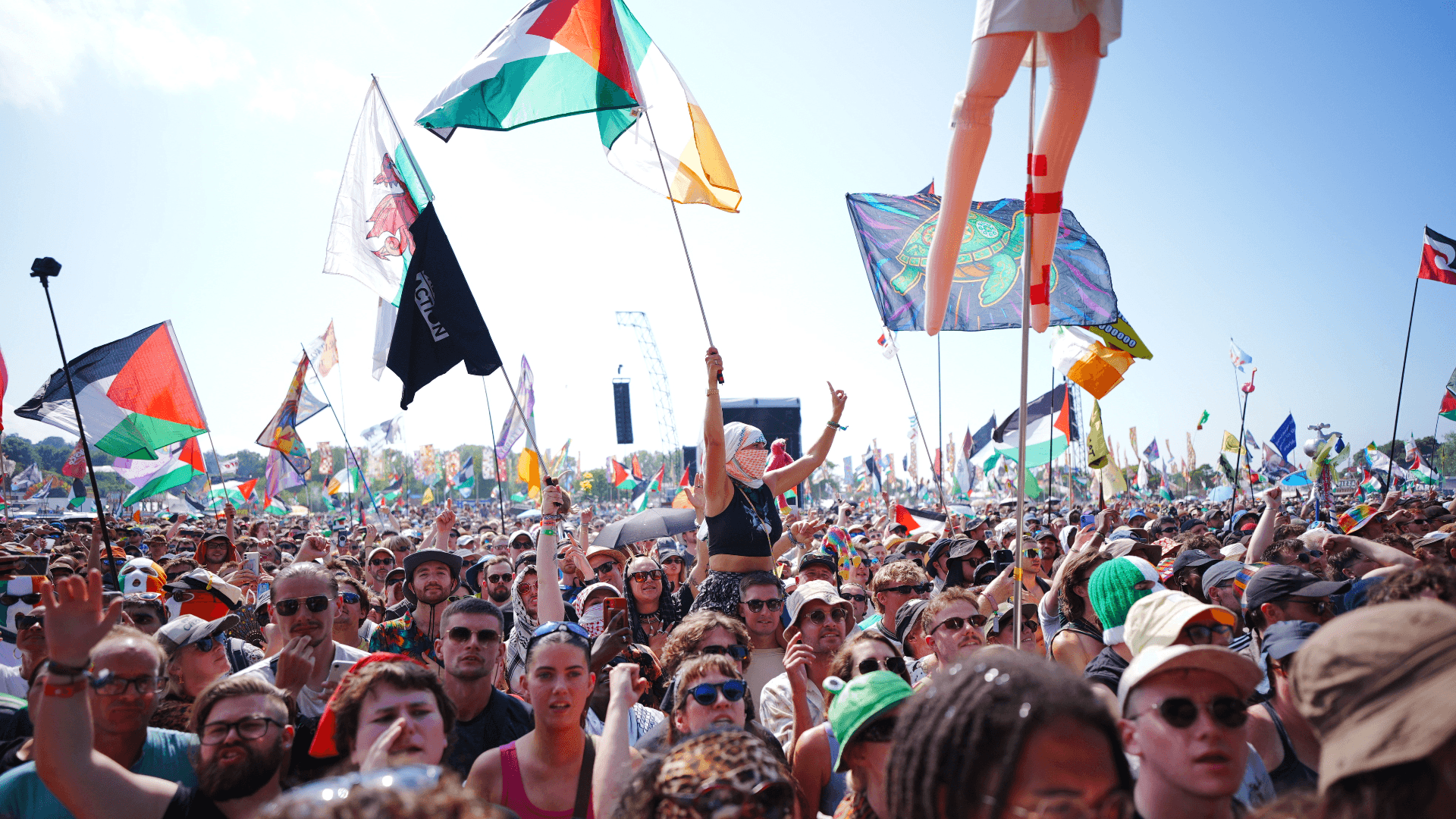
The ongoing Israel–Gaza conflict is increasingly reverberating through the global music industry, prompting artists to withdraw from performances, festivals to face public scrutiny, and organizers to reassess tour plans. As geopolitical tensions escalate, music—often seen as a unifying force—is finding itself deeply entangled in political, ethical, and cultural debates.
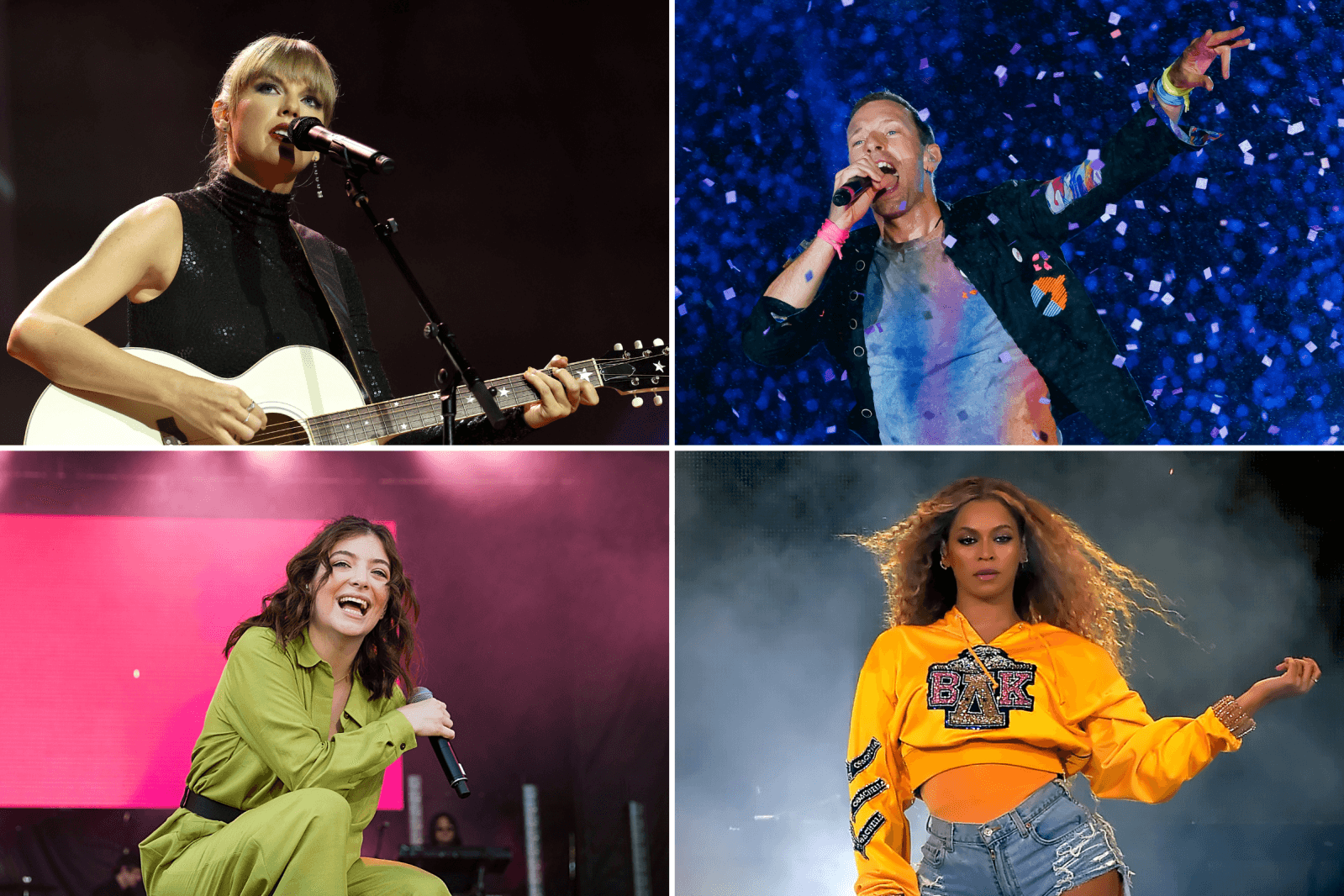
Several high-profile musicians have cancelled appearances or publicly distanced themselves from events perceived as politically sensitive, reflecting a broader unease within the creative community.
Key Facts
Multiple international artists have withdrawn from festivals and concerts citing safety concerns or ethical positions related to the conflict.
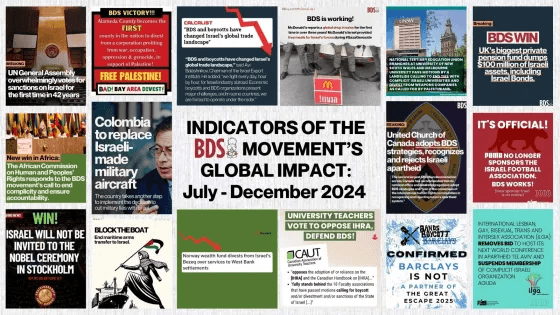
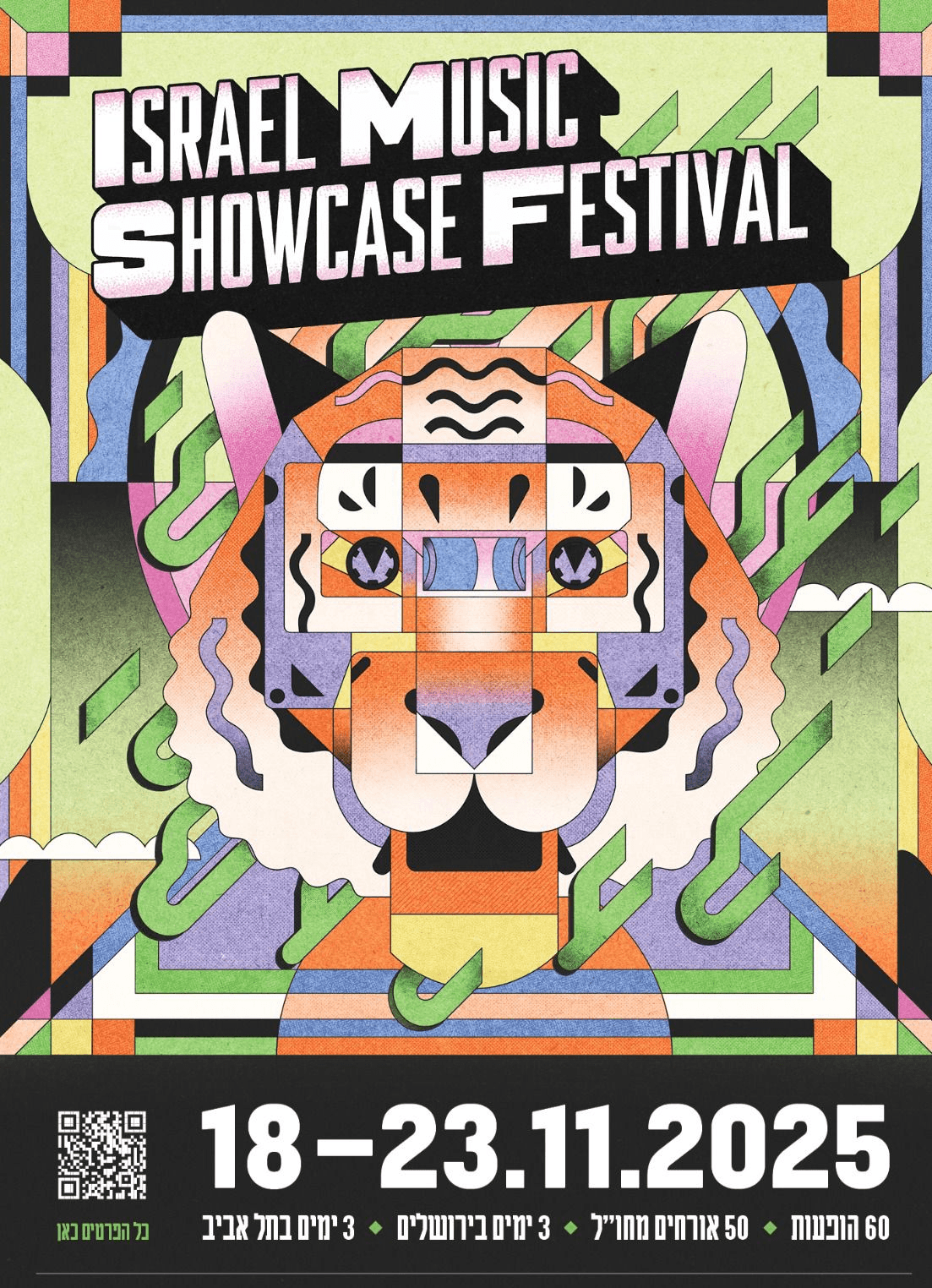
Music festivals in Europe, the Middle East, and North America are facing pressure from fans, sponsors, and advocacy groups to clarify their stances.
Some events have experienced reduced attendance or sponsorship uncertainty due to controversy.
Background
The global music industry has historically been influenced by geopolitical conflicts, from apartheid-era cultural boycotts to war-driven tour disruptions. The Israel–Gaza conflict, however, is unfolding in an era of instant digital activism, where artists’ decisions are immediately scrutinized and politicized.
What it Means
The intensifying impact of the conflict underscores how deeply interconnected music, politics, and public sentiment have become. For artists, performing is no longer just an artistic or commercial act but a perceived statement of values.
For the industry, this moment highlights growing vulnerability to geopolitical risk. Festivals and tours now must account not only for logistics and security but also for public perception, ethical alignment, and global audience sensitivities.
Prime Highlights
The ongoing Israel–Gaza conflict is increasingly reverberating through the global music industry, prompting artists to withdraw from performances, festivals to face public scrutiny, and organizers to reassess tour plans. As geopolitical tensions escalate, music—often seen as a unifying force—is finding itself deeply entangled in political, ethical, and cultural debates.
Several high-profile musicians have cancelled appearances or publicly distanced themselves from events perceived as politically sensitive, reflecting a broader unease within the creative community.
Key Facts
Multiple international artists have withdrawn from festivals and concerts citing safety concerns or ethical positions related to the conflict.
Music festivals in Europe, the Middle East, and North America are facing pressure from fans, sponsors, and advocacy groups to clarify their stances.
Some events have experienced reduced attendance or sponsorship uncertainty due to controversy.
Social media campaigns are amplifying calls for boycotts, statements, or solidarity actions from musicians and labels.
Background
The global music industry has historically been influenced by geopolitical conflicts, from apartheid-era cultural boycotts to war-driven tour disruptions. The Israel–Gaza conflict, however, is unfolding in an era of instant digital activism, where artists’ decisions are immediately scrutinized and politicized.
With musicians often expected to take public moral positions, neutrality has become increasingly difficult. Labels, promoters, and streaming platforms are also navigating reputational risks while attempting to maintain artistic freedom and commercial viability.
What it Means
The intensifying impact of the conflict underscores how deeply interconnected music, politics, and public sentiment have become. For artists, performing is no longer just an artistic or commercial act but a perceived statement of values.
For the industry, this moment highlights growing vulnerability to geopolitical risk. Festivals and tours now must account not only for logistics and security but also for public perception, ethical alignment, and global audience sensitivities.
Outlook & Consideration
Looking ahead, the music industry may see more cautious tour planning, increased reliance on virtual or regional events, and clearer codes of conduct around political expression. Artists may also seek more control over where and how they perform, aligning appearances with personal beliefs.
While music has long served as a bridge across cultures, the current climate suggests that global conflicts can also deepen divisions within creative spaces. How the industry balances expression, responsibility, and unity will shape its resilience in an increasingly polarized world.
Prime Highlights
The ongoing Israel–Gaza conflict is increasingly reverberating through the global music industry, prompting artists to withdraw from performances, festivals to face public scrutiny, and organizers to reassess tour plans. As geopolitical tensions escalate, music—often seen as a unifying force—is finding itself deeply entangled in political, ethical, and cultural debates.
Several high-profile musicians have cancelled appearances or publicly distanced themselves from events perceived as politically sensitive, reflecting a broader unease within the creative community.
Key Facts
Multiple international artists have withdrawn from festivals and concerts citing safety concerns or ethical positions related to the conflict.
Music festivals in Europe, the Middle East, and North America are facing pressure from fans, sponsors, and advocacy groups to clarify their stances.
Some events have experienced reduced attendance or sponsorship uncertainty due to controversy.
Social media campaigns are amplifying calls for boycotts, statements, or solidarity actions from musicians and labels.
Background
The global music industry has historically been influenced by geopolitical conflicts, from apartheid-era cultural boycotts to war-driven tour disruptions. The Israel–Gaza conflict, however, is unfolding in an era of instant digital activism, where artists’ decisions are immediately scrutinized and politicized.
What it Means
The intensifying impact of the conflict underscores how deeply interconnected music, politics, and public sentiment have become. For artists, performing is no longer just an artistic or commercial act but a perceived statement of values.
For the industry, this moment highlights growing vulnerability to geopolitical risk. Festivals and tours now must account not only for logistics and security but also for public perception, ethical alignment, and global audience sensitivities.
Outlook & Consideration
Looking ahead, the music industry may see more cautious tour planning, increased reliance on virtual or regional events, and clearer codes of conduct around political expression. Artists may also seek more control over where and how they perform, aligning appearances with personal beliefs.
While music has long served as a bridge across cultures, the current climate suggests that global conflicts can also deepen divisions within creative spaces. How the industry balances expression, responsibility, and unity will shape its resilience in an increasingly polarized world.
Outlook & Considerations
Looking ahead, the music industry may see more cautious tour planning, increased reliance on virtual or regional events, and clearer codes of conduct around political expression. Artists may also seek more control over where and how they perform, aligning appearances with personal beliefs.
While music has long served as a bridge across cultures, the current climate suggests that global conflicts can also deepen divisions within creative spaces. How the industry balances expression, responsibility, and unity will shape its resilience in an increasingly polarized world.
3/9
3/9
3/9
Music Under Pressure
Music Under Pressure
Music Under Pressure
Author: Neha Calder
Author: Neha Calder
Author: Neha Calder
Date of writing: December 3, 2025
Date of writing: December 3, 2025
Date of writing: December 3, 2025
x
x
English
𐊾