
Prime Highlights
A recent insights report suggests that companies are undergoing a fundamental mindset shift in how they approach artificial intelligence, work culture, and sustainability. Rather than viewing AI as a replacement for human talent, organizations are increasingly positioning it as a collaborator that enhances decision-making and productivity.
At the same time, businesses are refining hybrid work models to better balance flexibility, accountability, and human connection, while elevating sustainability from a compliance requirement to a core competitive differentiator.
Key Facts
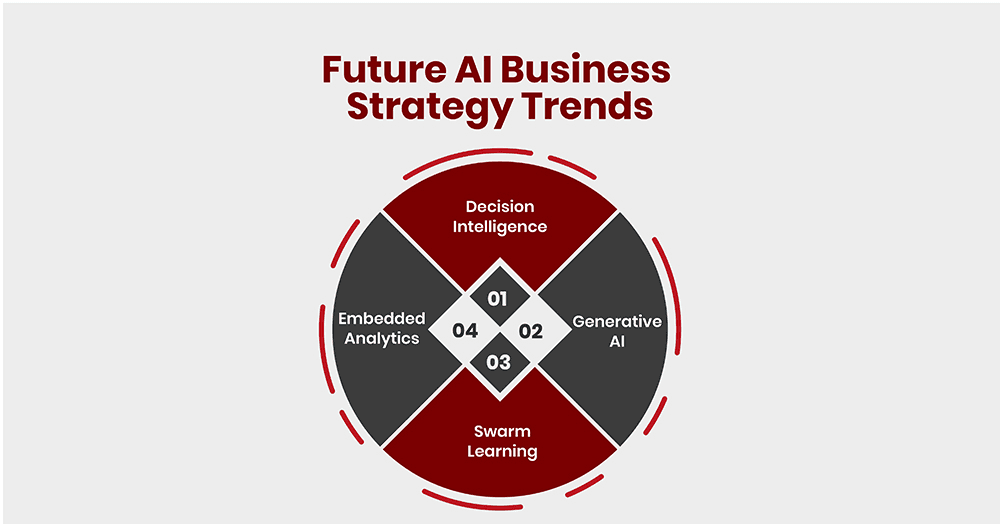
AI adoption strategies are moving toward human–AI collaboration rather than full automation.
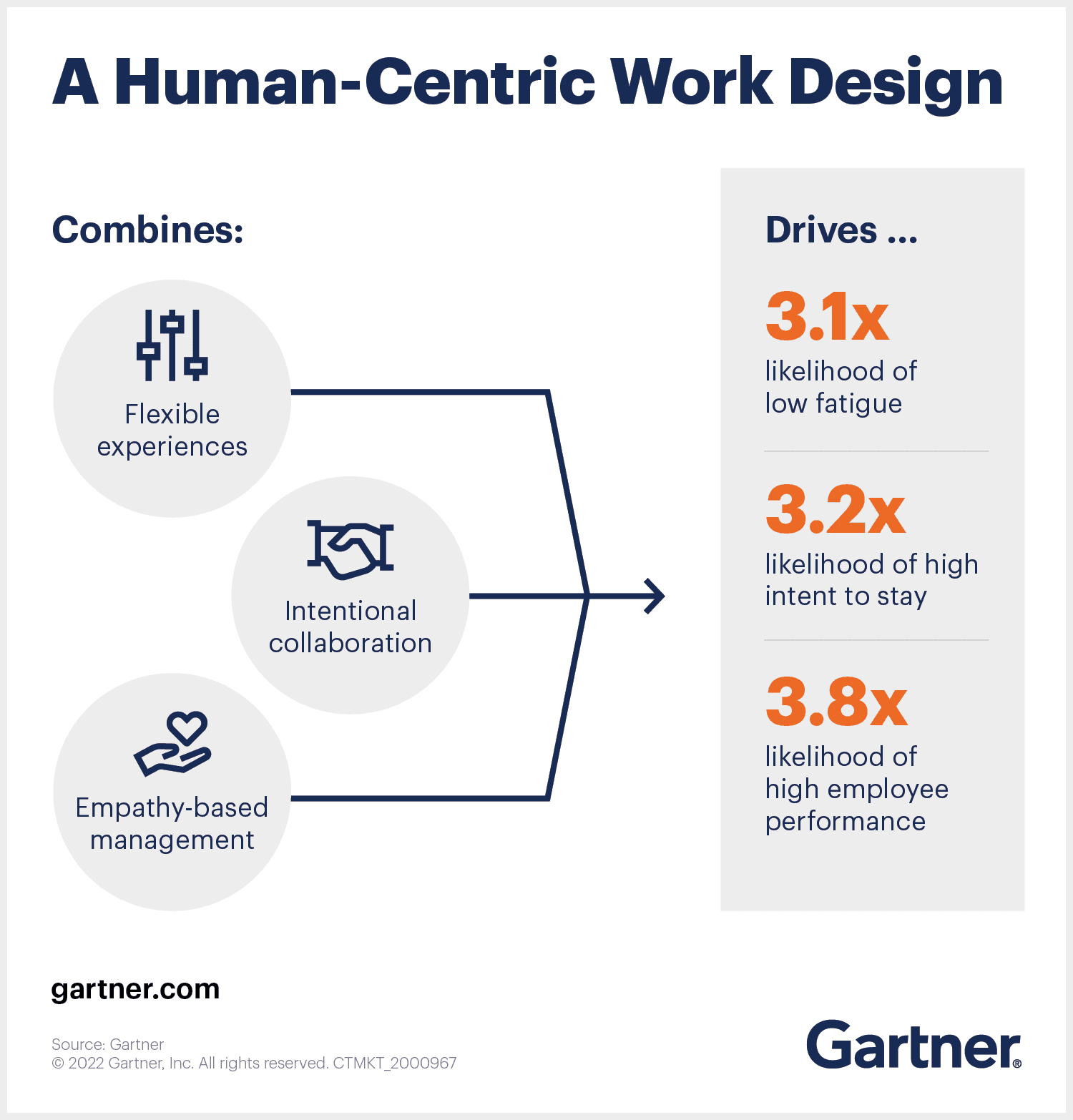
Companies are redesigning hybrid work models to prioritize outcomes over presence.
Sustainability initiatives are being integrated into brand identity and long-term value creation.
Background
The rapid rise of AI tools across industries initially sparked concerns around job displacement and workforce disruption. However, as adoption matured, many organizations discovered that AI delivers the most value when paired with human judgment, creativity, and empathy.
What it Means
This shift signals a more balanced and pragmatic approach to transformation. Treating AI as a collaborator reframes technology as an enabler of human potential rather than a threat. Reworking hybrid models reflects a recognition that people, not just processes, drive performance.
Positioning sustainability as a differentiator also indicates that companies see long-term growth linked to responsible practices, resilience, and trust. Together, these changes suggest a move toward more holistic business strategies.
Prime Highlights
A recent insights report suggests that companies are undergoing a fundamental mindset shift in how they approach artificial intelligence, work culture, and sustainability. Rather than viewing AI as a replacement for human talent, organizations are increasingly positioning it as a collaborator that enhances decision-making and productivity.
At the same time, businesses are refining hybrid work models to better balance flexibility, accountability, and human connection, while elevating sustainability from a compliance requirement to a core competitive differentiator.
Key Facts
AI adoption strategies are moving toward human–AI collaboration rather than full automation.
Companies are redesigning hybrid work models to prioritize outcomes over presence.
Sustainability initiatives are being integrated into brand identity and long-term value creation.
Background
The rapid rise of AI tools across industries initially sparked concerns around job displacement and workforce disruption. However, as adoption matured, many organizations discovered that AI delivers the most value when paired with human judgment, creativity, and empathy.
Simultaneously, the hybrid work experiment—accelerated by global disruptions—revealed both benefits and limitations. Companies are now fine-tuning policies to retain talent, boost productivity, and rebuild workplace culture. Sustainability, once treated as a reporting checkbox, has gained urgency due to regulatory pressure, investor scrutiny, and changing consumer expectations.
What it Means
This shift signals a more balanced and pragmatic approach to transformation. Treating AI as a collaborator reframes technology as an enabler of human potential rather than a threat. Reworking hybrid models reflects a recognition that people, not just processes, drive performance.
Positioning sustainability as a differentiator also indicates that companies see long-term growth linked to responsible practices, resilience, and trust. Together, these changes suggest a move toward more holistic business strategies.
Outlook & Consideration
Looking ahead, organizations that successfully integrate AI with human workflows are likely to gain an edge in innovation and efficiency. Leaders will need to invest in upskilling, change management, and ethical AI governance to sustain this collaboration.
Hybrid work models will continue to evolve, with experimentation giving way to clearer frameworks tailored to different roles and industries. Meanwhile, sustainability is expected to play a growing role in brand value, investor confidence, and talent attraction.
Ultimately, companies that align technology, people, and purpose are best positioned to navigate uncertainty and build durable competitive advantage in the years ahead.
Prime Highlights
A recent insights report suggests that companies are undergoing a fundamental mindset shift in how they approach artificial intelligence, work culture, and sustainability. Rather than viewing AI as a replacement for human talent, organizations are increasingly positioning it as a collaborator that enhances decision-making and productivity.
At the same time, businesses are refining hybrid work models to better balance flexibility, accountability, and human connection, while elevating sustainability from a compliance requirement to a core competitive differentiator.
Key Facts
AI adoption strategies are moving toward human–AI collaboration rather than full automation.
Companies are redesigning hybrid work models to prioritize outcomes over presence.
Sustainability initiatives are being integrated into brand identity and long-term value creation.
Background
The rapid rise of AI tools across industries initially sparked concerns around job displacement and workforce disruption. However, as adoption matured, many organizations discovered that AI delivers the most value when paired with human judgment, creativity, and empathy.
Simultaneously, the hybrid work experiment—accelerated by global disruptions—revealed both benefits and limitations. Companies are now fine-tuning policies to retain talent, boost productivity, and rebuild workplace culture.
What it Means
This shift signals a more balanced and pragmatic approach to transformation. Treating AI as a collaborator reframes technology as an enabler of human potential rather than a threat. Reworking hybrid models reflects a recognition that people, not just processes, drive performance.
Positioning sustainability as a differentiator also indicates that companies see long-term growth linked to responsible practices, resilience, and trust.
Outlook & Consideration
Looking ahead, organizations that successfully integrate AI with human workflows are likely to gain an edge in innovation and efficiency. Leaders will need to invest in upskilling, change management, and ethical AI governance to sustain this collaboration.
Hybrid work models will continue to evolve, with experimentation giving way to clearer frameworks tailored to different roles and industries. Meanwhile, sustainability is expected to play a growing role in brand value, investor confidence, and talent attraction.
Ultimately, companies that align technology, people, and purpose are best positioned to navigate uncertainty and build durable competitive advantage in the years ahead.
Outlook & Considerations
Looking ahead, organizations that successfully integrate AI with human workflows are likely to gain an edge in innovation and efficiency. Leaders will need to invest in upskilling, change management, and ethical AI governance to sustain this collaboration.
Hybrid work models will continue to evolve, with experimentation giving way to clearer frameworks tailored to different roles and industries. Meanwhile, sustainability is expected to play a growing role in brand value, investor confidence, and talent attraction.
Ultimately, companies that align technology, people, and purpose are best positioned to navigate uncertainty and build durable competitive advantage in the years ahead.
5/9
5/9
5/9
Future AI Reframed
Future AI Reframed
Future AI Reframed
Author: Nishant Kulkarni
Author: Nishant Kulkarni
Author: Nishant Kulkarni
Date of writing: December 6, 2025
Date of writing: December 6, 2025
Date of writing: December 6, 2025
x
x
English
𐊾