Prime Highlights
Indian start-ups such as Swiggy, Lenskart and Urban Company are increasingly pointing to non-metro cities as the next major engine of growth. As saturation rises in tier-1 markets, companies are doubling down on tier-2 and tier-3 cities, where demand, digital adoption and aspiration-driven consumption are accelerating rapidly.
Industry leaders note that smaller cities are no longer peripheral markets but central to long-term scale, profitability and brand loyalty.
Key Facts
Swiggy reports a growing share of new users and order volumes coming from tier-2 and tier-3 cities.
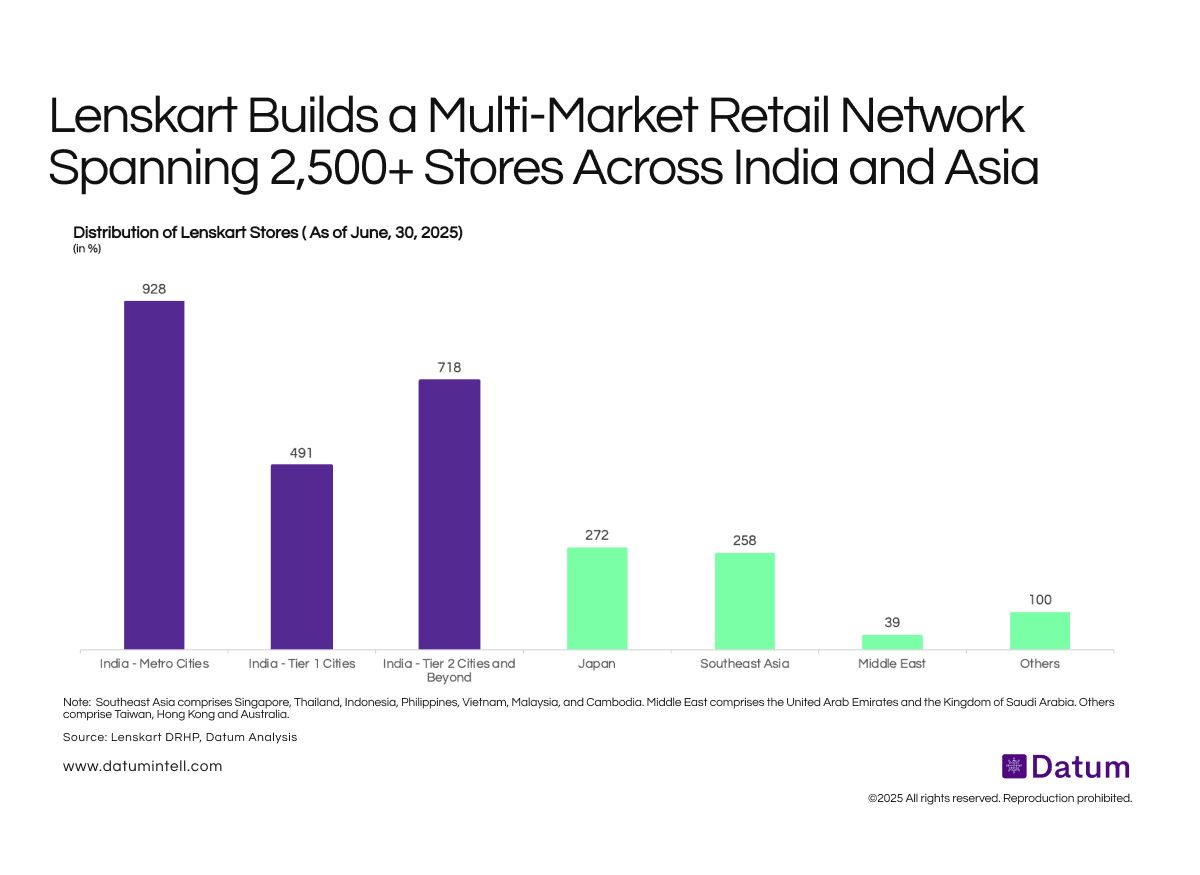
Lenskart has expanded physical stores aggressively in non-metro regions, citing strong customer response.
Urban Company has tailored service offerings and pricing for smaller cities to match local demand patterns.
Background
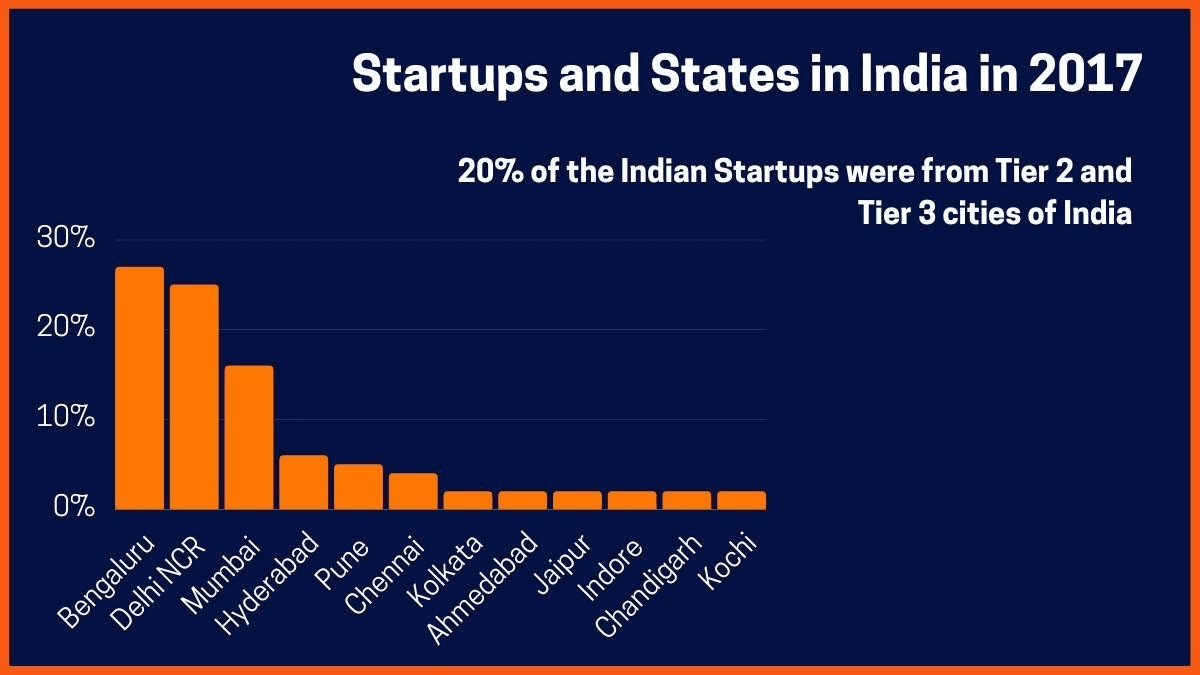
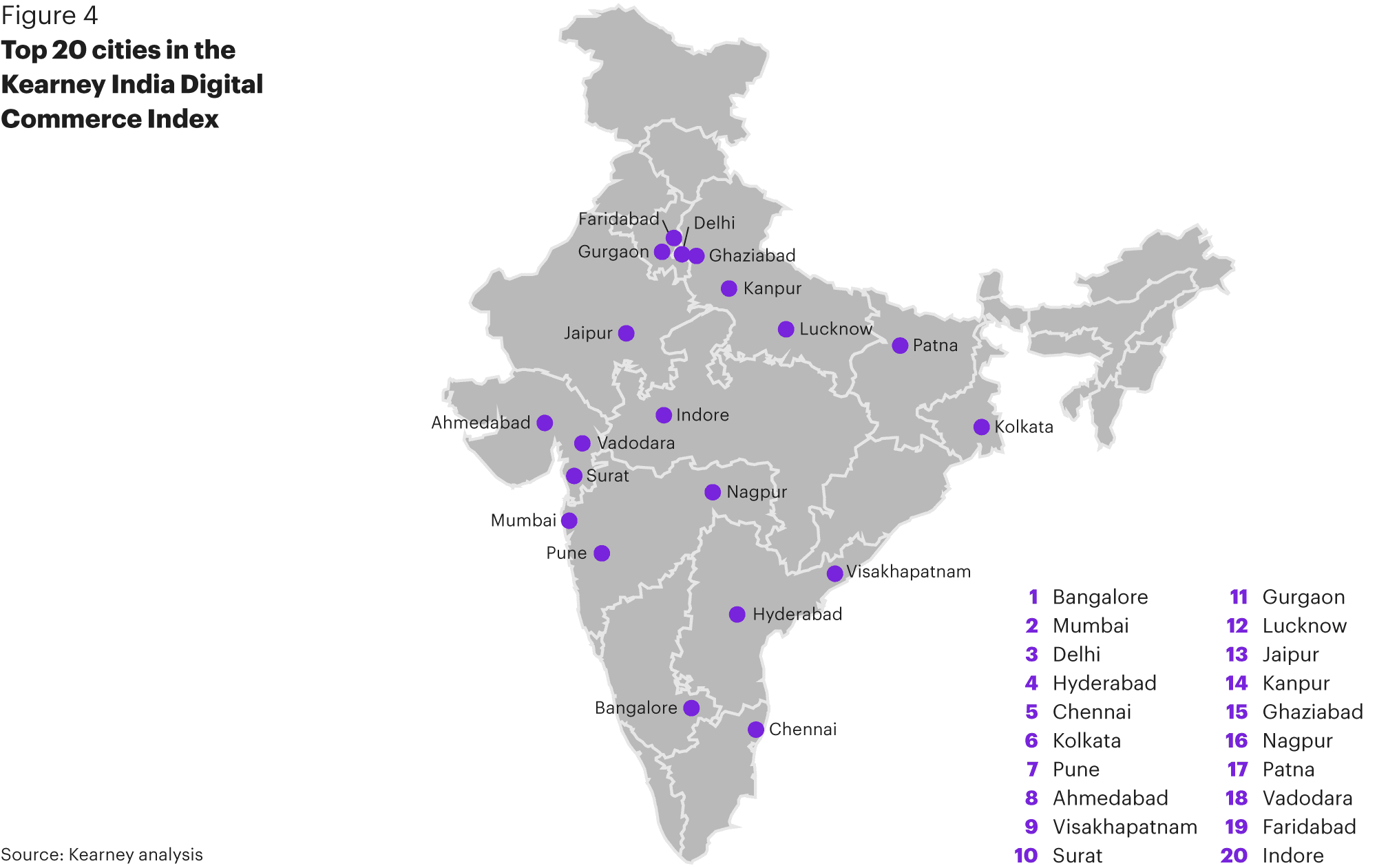
For nearly a decade, India’s start-up ecosystem focused heavily on metro cities such as Bengaluru, Mumbai and Delhi. These markets provided early adopters, higher disposable incomes and dense populations. However, intense competition and rising customer acquisition costs have prompted companies to look beyond traditional urban hubs.
What it Means
The shift toward non-metro India marks a structural change in how start-ups plan growth. Products, marketing strategies and operations are being redesigned to address local preferences, price sensitivity and regional languages.
This trend also signals a broader democratization of India’s digital economy. As services reach deeper into the country, entrepreneurship, employment and consumption are becoming more evenly distributed across geographies.
Prime Highlights
Indian start-ups such as Swiggy, Lenskart and Urban Company are increasingly pointing to non-metro cities as the next major engine of growth. As saturation rises in tier-1 markets, companies are doubling down on tier-2 and tier-3 cities, where demand, digital adoption and aspiration-driven consumption are accelerating rapidly.
Industry leaders note that smaller cities are no longer peripheral markets but central to long-term scale, profitability and brand loyalty.
Key Facts
Swiggy reports a growing share of new users and order volumes coming from tier-2 and tier-3 cities.
Lenskart has expanded physical stores aggressively in non-metro regions, citing strong customer response.
Urban Company has tailored service offerings and pricing for smaller cities to match local demand patterns.
Rising smartphone penetration, UPI usage and logistics networks have reduced barriers to serving non-metro India.
Background
For nearly a decade, India’s start-up ecosystem focused heavily on metro cities such as Bengaluru, Mumbai and Delhi. These markets provided early adopters, higher disposable incomes and dense populations. However, intense competition and rising customer acquisition costs have prompted companies to look beyond traditional urban hubs.
Simultaneously, government infrastructure investments, improved internet connectivity and social media exposure have reshaped consumption behaviour in smaller cities. Consumers in these regions increasingly expect the same convenience, quality and brand experience as their metro counterparts.
What it Means
The shift toward non-metro India marks a structural change in how start-ups plan growth. Products, marketing strategies and operations are being redesigned to address local preferences, price sensitivity and regional languages.
This trend also signals a broader democratization of India’s digital economy. As services reach deeper into the country, entrepreneurship, employment and consumption are becoming more evenly distributed across geographies.
Outlook & Consideration
Non-metro India is likely to remain the fastest-growing segment for consumer start-ups over the next five years. Companies that invest early in localized strategies, supply-chain efficiency and trust-building will be better positioned to lead this expansion.
However, challenges remain, including infrastructure gaps, talent availability and the need for hyper-local customization. Success in these markets will depend not just on scale, but on understanding the cultural and economic nuances that define India beyond its metros.
Prime Highlights
Indian start-ups such as Swiggy, Lenskart and Urban Company are increasingly pointing to non-metro cities as the next major engine of growth. As saturation rises in tier-1 markets, companies are doubling down on tier-2 and tier-3 cities, where demand, digital adoption and aspiration-driven consumption are accelerating rapidly.
Industry leaders note that smaller cities are no longer peripheral markets but central to long-term scale, profitability and brand loyalty.
Key Facts
Swiggy reports a growing share of new users and order volumes coming from tier-2 and tier-3 cities.
Lenskart has expanded physical stores aggressively in non-metro regions, citing strong customer response.
Urban Company has tailored service offerings and pricing for smaller cities to match local demand patterns.
Rising smartphone penetration, UPI usage and logistics networks have reduced barriers to serving non-metro India.
Background
For nearly a decade, India’s start-up ecosystem focused heavily on metro cities such as Bengaluru, Mumbai and Delhi. These markets provided early adopters, higher disposable incomes and dense populations. However, intense competition and rising customer acquisition costs have prompted companies to look beyond traditional urban hubs.
Simultaneously, government infrastructure investments, improved internet connectivity and social media exposure have reshaped consumption behaviour in smaller cities. Consumers in these regions increasingly expect the same convenience, quality and brand experience as their metro counterparts.
What it Means
The shift toward non-metro India marks a structural change in how start-ups plan growth. Products, marketing strategies and operations are being redesigned to address local preferences, price sensitivity and regional languages.
This trend also signals a broader democratization of India’s digital economy. As services reach deeper into the country, entrepreneurship, employment and consumption are becoming more evenly distributed across geographies.
Outlook & Consideration
Non-metro India is likely to remain the fastest-growing segment for consumer start-ups over the next five years. Companies that invest early in localized strategies, supply-chain efficiency and trust-building will be better positioned to lead this expansion.
However, challenges remain, including infrastructure gaps, talent availability and the need for hyper-local customization. Success in these markets will depend not just on scale, but on understanding the cultural and economic nuances that define India beyond its metros.
Outlook & Considerations
Non-metro India is likely to remain the fastest-growing segment for consumer start-ups over the next five years. Companies that invest early in localized strategies, supply-chain efficiency and trust-building will be better positioned to lead this expansion.
However, challenges remain, including infrastructure gaps, talent availability and the need for hyper-local customization. Success in these markets will depend not just on scale, but on understanding the cultural and economic nuances that define India beyond its metros.
2/9
2/9
2/9
Non-Metro Surge
Non-Metro Surge
Non-Metro Surge
Author: Aarav Kulkarni
Author: Aarav Kulkarni
Author: Aarav Kulkarni
Date of writing: December 3, 2025
Date of writing: December 3, 2025
Date of writing: December 3, 2025
x
x
English
𐊾