

Prime Highlights
The European Commission is planning to ease certain provisions of its landmark artificial intelligence regulation following sustained pressure from major U.S. technology companies. The move signals a potential recalibration of the European Union’s approach to tech governance, aiming to balance innovation with regulation.
While the EU maintains that its commitment to responsible AI remains unchanged, the proposed adjustments reflect concerns about competitiveness, investment flows, and the pace of technological development.
Key Facts
The EU’s AI Act, considered the world’s first comprehensive AI regulatory framework, came under review after industry feedback.
U.S.-based tech giants raised concerns about compliance costs and barriers to innovation.
Proposed changes may affect reporting requirements, risk classification, and implementation timelines.
European policymakers insist that core principles around safety, transparency, and accountability will remain intact.
Background
The AI Act was introduced to set global standards for artificial intelligence, categorising AI systems by risk and imposing strict obligations on high-risk applications. From facial recognition to automated decision-making, the regulation aimed to protect citizens while ensuring ethical AI development.
What it Means
Easing parts of the AI regulation suggests that the EU is willing to adapt its regulatory stance in response to market realities. It highlights the challenge governments face in regulating fast-moving technologies without stifling growth. For global tech companies, the shift could lower compliance friction and encourage continued investment in European markets.
Prime Highlights
The European Commission is planning to ease certain provisions of its landmark artificial intelligence regulation following sustained pressure from major U.S. technology companies. The move signals a potential recalibration of the European Union’s approach to tech governance, aiming to balance innovation with regulation.
While the EU maintains that its commitment to responsible AI remains unchanged, the proposed adjustments reflect concerns about competitiveness, investment flows, and the pace of technological development.
Key Facts
The EU’s AI Act, considered the world’s first comprehensive AI regulatory framework, came under review after industry feedback.
U.S.-based tech giants raised concerns about compliance costs and barriers to innovation.
Proposed changes may affect reporting requirements, risk classification, and implementation timelines.
European policymakers insist that core principles around safety, transparency, and accountability will remain intact.
Background
The AI Act was introduced to set global standards for artificial intelligence, categorising AI systems by risk and imposing strict obligations on high-risk applications. From facial recognition to automated decision-making, the regulation aimed to protect citizens while ensuring ethical AI development.
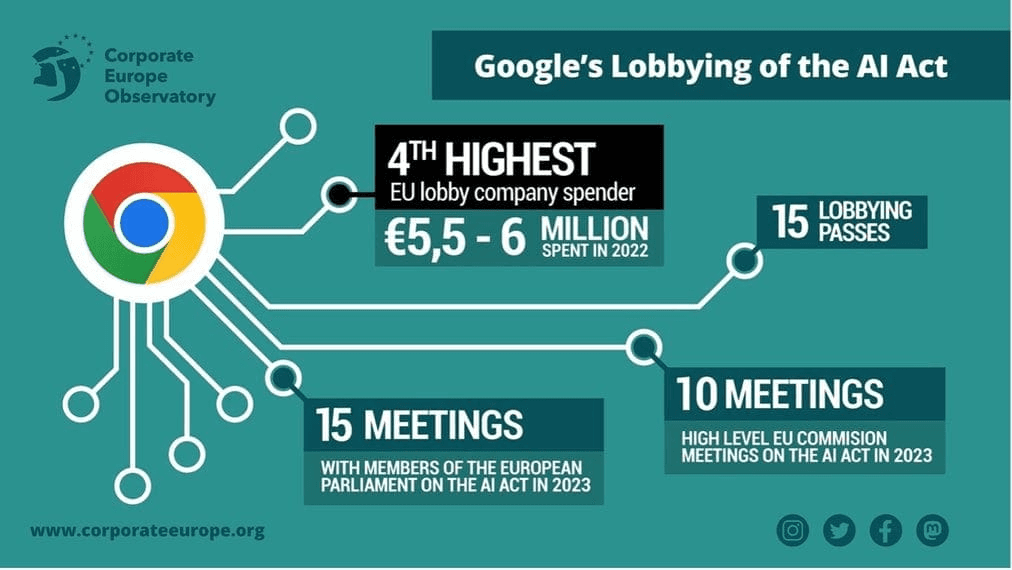
However, as AI innovation accelerated globally—particularly in the United States and China—European businesses and international tech firms warned that overly rigid rules could push innovation outside the EU. This feedback intensified lobbying efforts and triggered a policy reassessment.
What it Means
Easing parts of the AI regulation suggests that the EU is willing to adapt its regulatory stance in response to market realities. It highlights the challenge governments face in regulating fast-moving technologies without stifling growth.
Outlook & Consideration
If implemented carefully, the adjustments could strengthen Europe’s position as both a regulator and an innovation hub. The challenge will be ensuring that flexibility does not dilute protections for users or undermine trust in AI systems.
Globally, the EU’s decision may influence how other regions approach AI governance, potentially setting a precedent for more adaptive regulatory frameworks. As discussions continue, the outcome will be closely watched by governments, companies, and consumers alike.
Prime Highlights
The European Commission is planning to ease certain provisions of its landmark artificial intelligence regulation following sustained pressure from major U.S. technology companies. The move signals a potential recalibration of the European Union’s approach to tech governance, aiming to balance innovation with regulation.
While the EU maintains that its commitment to responsible AI remains unchanged, the proposed adjustments reflect concerns about competitiveness, investment flows, and the pace of technological development.
Key Facts
The EU’s AI Act, considered the world’s first comprehensive AI regulatory framework, came under review after industry feedback.
U.S.-based tech giants raised concerns about compliance costs and barriers to innovation.
Proposed changes may affect reporting requirements, risk classification, and implementation timelines.
European policymakers insist that core principles around safety, transparency, and accountability will remain intact.
Background
The AI Act was introduced to set global standards for artificial intelligence, categorising AI systems by risk and imposing strict obligations on high-risk applications. From facial recognition to automated decision-making, the regulation aimed to protect citizens while ensuring ethical AI development.
However, as AI innovation accelerated globally—particularly in the United States and China—European businesses and international tech firms warned that overly rigid rules could push innovation outside the EU. This feedback intensified lobbying efforts and triggered a policy reassessment.
What it Means
Easing parts of the AI regulation suggests that the EU is willing to adapt its regulatory stance in response to market realities. It highlights the challenge governments face in regulating fast-moving technologies without stifling growth.
For global tech companies, the shift could lower compliance friction and encourage continued investment in European markets. For policymakers, it reflects a growing recognition that regulatory leadership must evolve alongside technological progress.
Outlook & Consideration
If implemented carefully, the adjustments could strengthen Europe’s position as both a regulator and an innovation hub. The challenge will be ensuring that flexibility does not dilute protections for users or undermine trust in AI systems.
Globally, the EU’s decision may influence how other regions approach AI governance, potentially setting a precedent for more adaptive regulatory frameworks. As discussions continue, the outcome will be closely watched by governments, companies, and consumers alike.
Outlook & Considerations
If implemented carefully, the adjustments could strengthen Europe’s position as both a regulator and an innovation hub. The challenge will be ensuring that flexibility does not dilute protections for users or undermine trust in AI systems.
Globally, the EU’s decision may influence how other regions approach AI governance, potentially setting a precedent for more adaptive regulatory frameworks. As discussions continue, the outcome will be closely watched by governments, companies, and consumers alike.
8/9
8/9
8/9
AI Rule Shift
AI Rule Shift
AI Rule Shift
Author: Elena Fischer
Author: Elena Fischer
Author: Elena Fischer
Date of writing: December 2, 2025
Date of writing: December 2, 2025
Date of writing: December 2, 2025
x
x

English
𐊾