
Prime Highlights
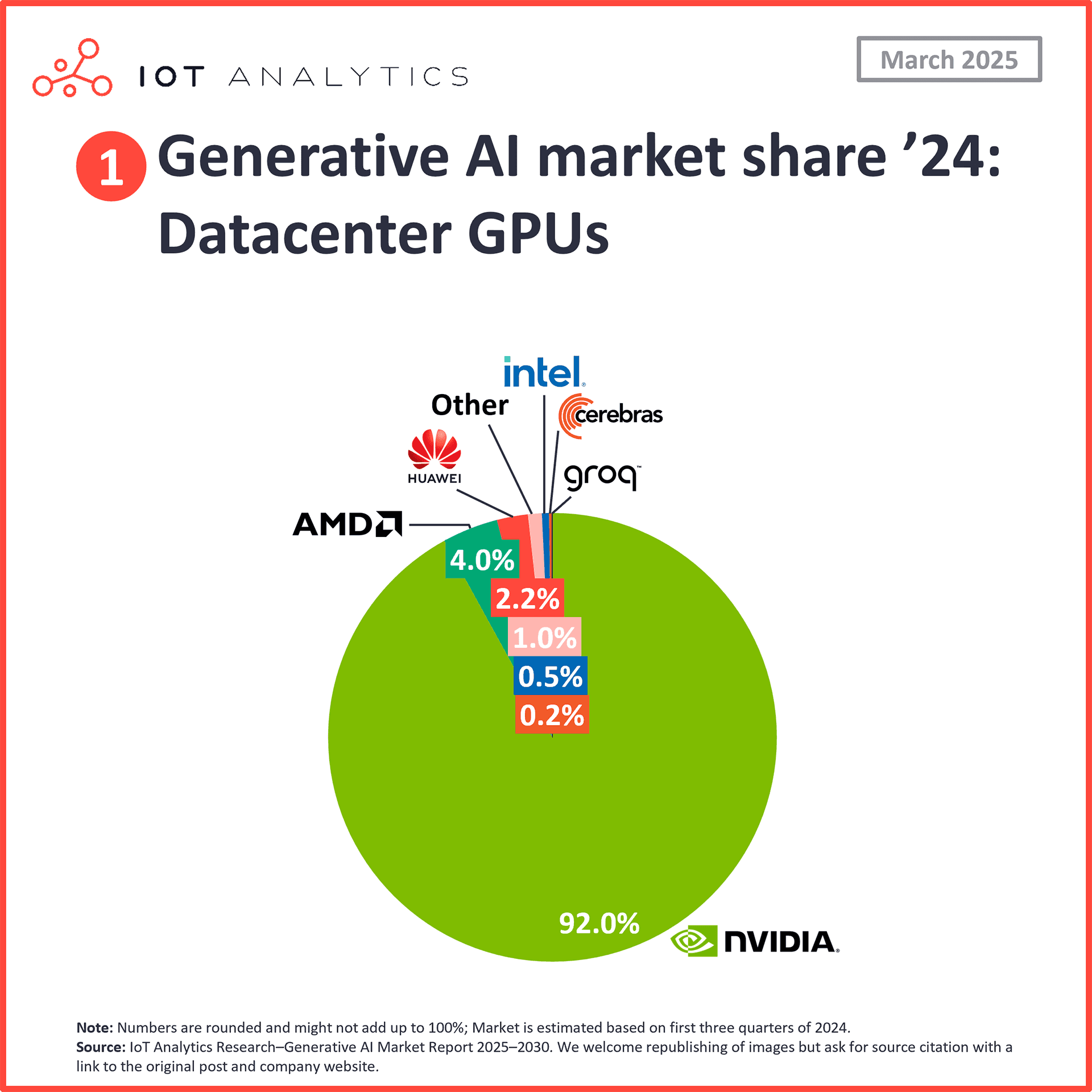
Nvidia continues to strengthen its position at the centre of the global artificial intelligence ecosystem, driven by unprecedented demand for its GPUs and data-centre solutions. From Big Tech firms to emerging AI startups, Nvidia’s hardware has become the backbone powering large-scale AI models, cloud computing platforms, and enterprise AI adoption.
As investments in generative AI surge worldwide, Nvidia’s dominance is increasingly viewed as both a technological and strategic advantage shaping the future of computing.
Key Facts
Nvidia’s GPUs are widely used to train and deploy large language models and generative AI systems.
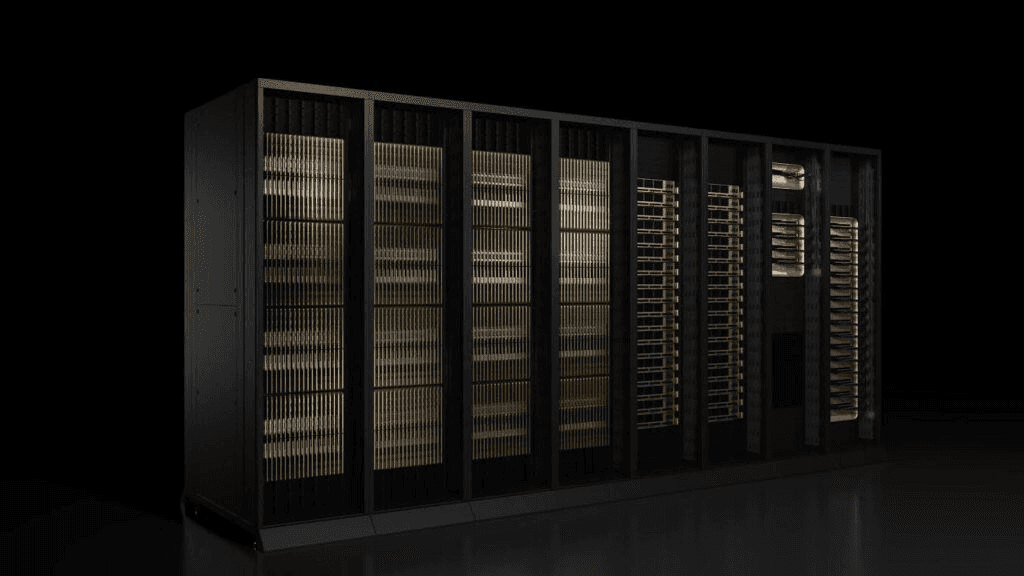
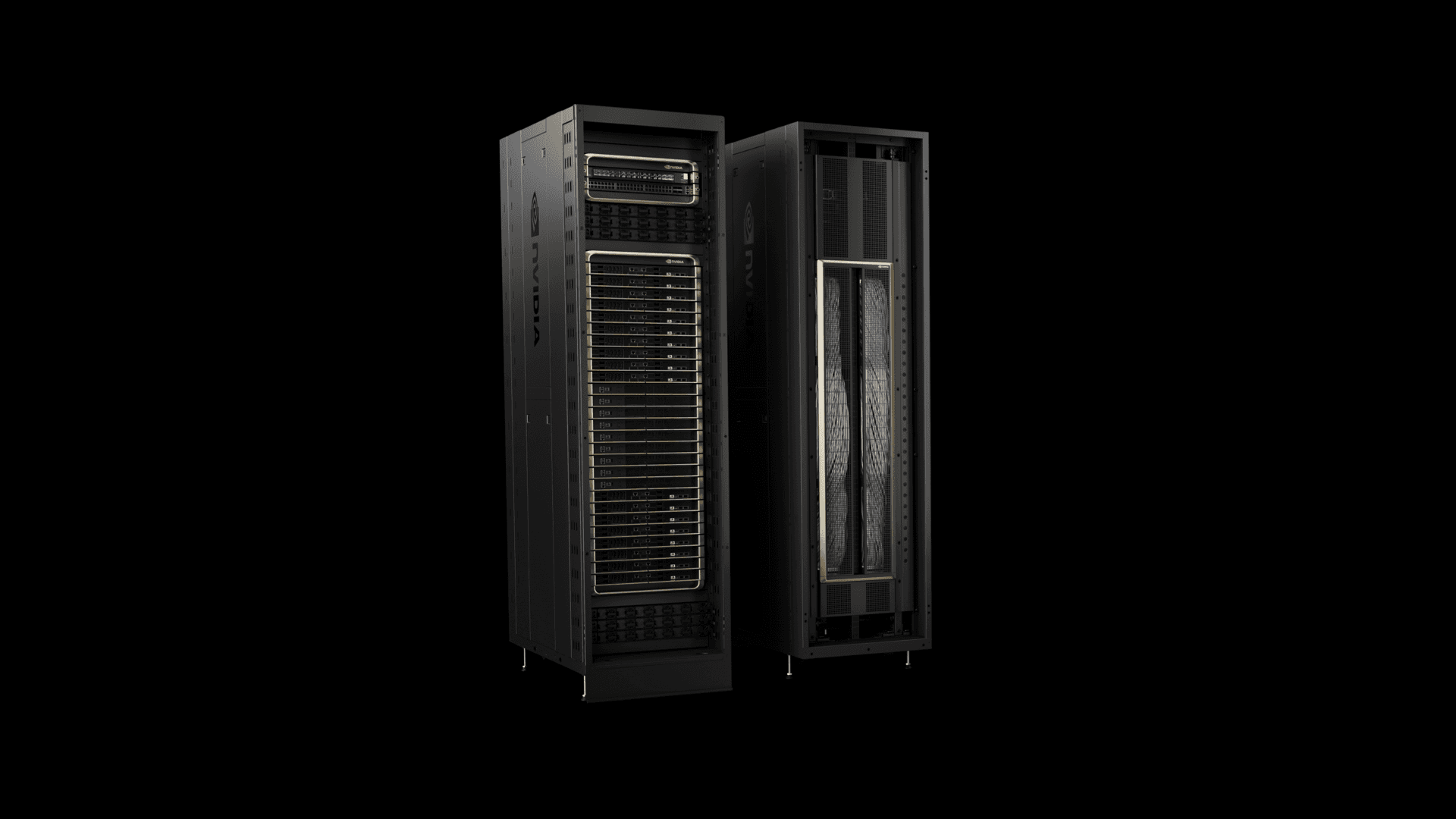
Major cloud providers rely heavily on Nvidia chips for AI-focused data centres.
Demand for high-performance computing hardware has outpaced supply in several global markets.
Nvidia’s data-centre segment now represents one of its fastest-growing revenue streams.
Background
Originally known for powering gaming graphics, Nvidia gradually pivoted toward parallel computing and AI acceleration over the past decade. The rise of machine learning, deep learning, and now generative AI has transformed the company from a niche graphics player into a foundational technology provider for the AI age.
What it Means
Nvidia’s dominance highlights how critical hardware infrastructure has become in determining leadership within the AI sector. While software models often receive public attention, the ability to compute at scale relies heavily on advanced chips and efficient data-centre systems.
This concentration of power also raises questions about supply-chain dependence, competition, and pricing, as many AI-driven companies rely on Nvidia’s ecosystem to operate and innovate.
Prime Highlights
Nvidia continues to strengthen its position at the centre of the global artificial intelligence ecosystem, driven by unprecedented demand for its GPUs and data-centre solutions. From Big Tech firms to emerging AI startups, Nvidia’s hardware has become the backbone powering large-scale AI models, cloud computing platforms, and enterprise AI adoption.
As investments in generative AI surge worldwide, Nvidia’s dominance is increasingly viewed as both a technological and strategic advantage shaping the future of computing.
Key Facts
Nvidia’s GPUs are widely used to train and deploy large language models and generative AI systems.
Major cloud providers rely heavily on Nvidia chips for AI-focused data centres.
Demand for high-performance computing hardware has outpaced supply in several global markets.
Nvidia’s data-centre segment now represents one of its fastest-growing revenue streams.
Background
Originally known for powering gaming graphics, Nvidia gradually pivoted toward parallel computing and AI acceleration over the past decade. The rise of machine learning, deep learning, and now generative AI has transformed the company from a niche graphics player into a foundational technology provider for the AI age.
With advancements in GPU architecture and AI-specific platforms, Nvidia positioned itself early to meet the needs of data scientists, enterprises, and hyperscale cloud providers. This long-term strategy has paid off as AI adoption accelerated across industries.
What it Means
Nvidia’s dominance highlights how critical hardware infrastructure has become in determining leadership within the AI sector. While software models often receive public attention, the ability to compute at scale relies heavily on advanced chips and efficient data-centre systems.
This concentration of power also raises questions about supply-chain dependence, competition, and pricing, as many AI-driven companies rely on Nvidia’s ecosystem to operate and innovate.
Outlook & Consideration
Looking ahead, Nvidia is expected to remain central to AI development as demand for faster, more efficient computing continues to grow. Ongoing investments in next-generation GPUs, networking technologies, and AI software tools could further solidify its leadership.
However, increased competition from rival chipmakers and in-house silicon initiatives by large tech firms may gradually reshape the landscape. Even so, Nvidia’s early-mover advantage and deep integration into the AI ecosystem suggest its influence will remain strong in the foreseeable future.
Prime Highlights
Nvidia continues to strengthen its position at the centre of the global artificial intelligence ecosystem, driven by unprecedented demand for its GPUs and data-centre solutions. From Big Tech firms to emerging AI startups, Nvidia’s hardware has become the backbone powering large-scale AI models, cloud computing platforms, and enterprise AI adoption.
As investments in generative AI surge worldwide, Nvidia’s dominance is increasingly viewed as both a technological and strategic advantage shaping the future of computing.
Key Facts
Nvidia’s GPUs are widely used to train and deploy large language models and generative AI systems.
Major cloud providers rely heavily on Nvidia chips for AI-focused data centres.
Demand for high-performance computing hardware has outpaced supply in several global markets.
Nvidia’s data-centre segment now represents one of its fastest-growing revenue streams.
Background
Originally known for powering gaming graphics, Nvidia gradually pivoted toward parallel computing and AI acceleration over the past decade. The rise of machine learning, deep learning, and now generative AI has transformed the company from a niche graphics player into a foundational technology provider for the AI age.
With advancements in GPU architecture and AI-specific platforms, Nvidia positioned itself early to meet the needs of data scientists, enterprises, and hyperscale cloud providers. This long-term strategy has paid off as AI adoption accelerated across industries.
What it Means
Nvidia’s dominance highlights how critical hardware infrastructure has become in determining leadership within the AI sector. While software models often receive public attention, the ability to compute at scale relies heavily on advanced chips and efficient data-centre systems.
This concentration of power also raises questions about supply-chain dependence, competition, and pricing, as many AI-driven companies rely on Nvidia’s ecosystem to operate and innovate.
Outlook & Consideration
Looking ahead, Nvidia is expected to remain central to AI development as demand for faster, more efficient computing continues to grow. Ongoing investments in next-generation GPUs, networking technologies, and AI software tools could further solidify its leadership.
However, increased competition from rival chipmakers and in-house silicon initiatives by large tech firms may gradually reshape the landscape. Even so, Nvidia’s early-mover advantage and deep integration into the AI ecosystem suggest its influence will remain strong in the foreseeable future.
Outlook & Considerations
Looking ahead, Nvidia is expected to remain central to AI development as demand for faster, more efficient computing continues to grow. Ongoing investments in next-generation GPUs, networking technologies, and AI software tools could further solidify its leadership.
However, increased competition from rival chipmakers and in-house silicon initiatives by large tech firms may gradually reshape the landscape. Even so, Nvidia’s early-mover advantage and deep integration into the AI ecosystem suggest its influence will remain strong in the foreseeable future.
9/9
9/9
9/9
AI Hardware Power
AI Hardware Power
AI Hardware Power
Author: Neelesh Kapoor
Author: Neelesh Kapoor
Author: Neelesh Kapoor
Date of writing: December 2, 2025
Date of writing: December 2, 2025
Date of writing: December 2, 2025
x
x

English
𐊾