
Prime Highlights
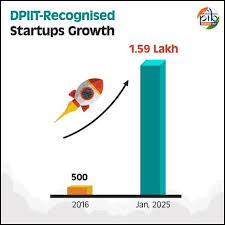
India’s startup ecosystem continues to demonstrate its growing economic impact, with the Finance Ministry reporting that 1.14 lakh registered startups have collectively generated over 12 lakh jobs across the country. The figures highlight the role of startups as a major employment engine, supporting innovation-driven growth across sectors.
The milestone underscores how policy support, digital infrastructure, and access to capital have helped transform entrepreneurship into a significant contributor to India’s workforce expansion.
Key Facts
India currently has around 1.14 lakh startups registered under the government’s Startup India initiative.
These startups have created more than 12 lakh direct jobs nationwide.
Employment generation spans sectors such as IT services, fintech, healthtech, edtech, manufacturing, logistics, and renewable energy.
A large share of jobs has been created outside metro cities, supporting regional and Tier-2 and Tier-3 city growth.
Background
The Startup India initiative was launched to encourage entrepreneurship, simplify regulations, and provide funding and mentorship support to new businesses. Over the past decade, India has emerged as one of the world’s largest startup hubs, driven by a young population, rising internet penetration, and increasing digital adoption.
What it Means
The scale of job creation signals a structural shift in India’s economy, where startups are no longer just innovation laboratories but significant contributors to employment. This trend helps absorb skilled and semi-skilled talent, especially among youth, and reduces reliance on traditional sectors alone for job growth.
Prime Highlights
India’s startup ecosystem continues to demonstrate its growing economic impact, with the Finance Ministry reporting that 1.14 lakh registered startups have collectively generated over 12 lakh jobs across the country. The figures highlight the role of startups as a major employment engine, supporting innovation-driven growth across sectors. The milestone underscores how policy support, digital infrastructure, and access to capital have helped transform entrepreneurship into a significant contributor to India’s workforce expansion.
Key Facts
India currently has around 1.14 lakh startups registered under the government’s Startup India initiative.
These startups have created more than 12 lakh direct jobs nationwide.
Employment generation spans sectors such as IT services, fintech, healthtech, edtech, manufacturing, logistics, and renewable energy.
A large share of jobs has been created outside metro cities, supporting regional and Tier-2 and Tier-3 city growth.
Background
The Startup India initiative was launched to encourage entrepreneurship, simplify regulations, and provide funding and mentorship support to new businesses. Over the past decade, India has emerged as one of the world’s largest startup hubs, driven by a young population, rising internet penetration, and increasing digital adoption.
Government measures such as tax incentives, fund-of-funds support, and faster incorporation processes have played a key role in accelerating startup formation. As a result, startups have evolved from niche ventures into mainstream employers.
What it Means
The scale of job creation signals a structural shift in India’s economy, where startups are no longer just innovation laboratories but significant contributors to employment. This trend helps absorb skilled and semi-skilled talent, especially among youth, and reduces reliance on traditional sectors alone for job growth.
It also highlights the importance of entrepreneurship in addressing employment challenges in a fast-growing economy, while fostering innovation and competitiveness.
Outlook & Consideration
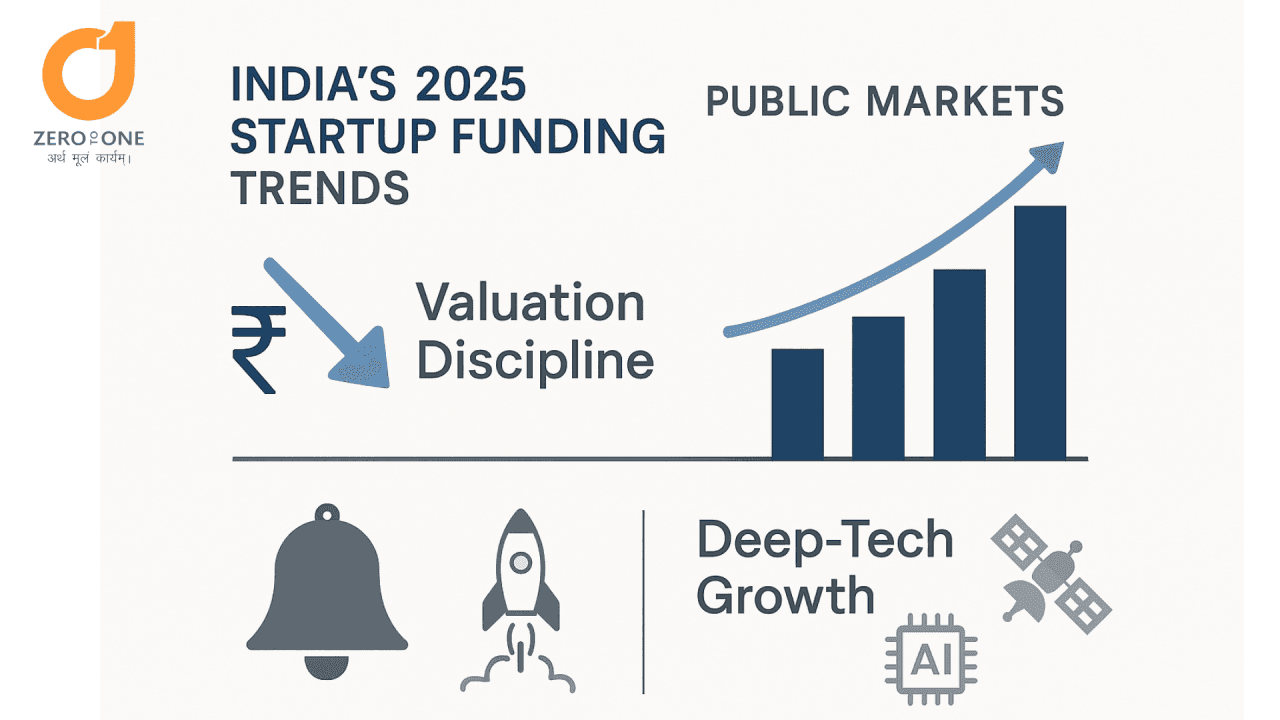
Looking ahead, sustained job creation will depend on the long-term viability and scalability of startups, particularly amid global economic uncertainty and tightening funding conditions. Policymakers may need to focus on easing compliance burdens, improving access to credit, and supporting startups through their growth stages. If momentum continues, India’s startup ecosystem could play an even larger role in employment generation over the next decade, positioning startups as a cornerstone of inclusive and innovation-led economic growth.
Prime Highlights
India’s startup ecosystem continues to demonstrate its growing economic impact, with the Finance Ministry reporting that 1.14 lakh registered startups have collectively generated over 12 lakh jobs across the country. The figures highlight the role of startups as a major employment engine, supporting innovation-driven growth across sectors.
The milestone underscores how policy support, digital infrastructure, and access to capital have helped transform entrepreneurship into a significant contributor to India’s workforce expansion.
Key Facts
India currently has around 1.14 lakh startups registered under the government’s Startup India initiative.
These startups have created more than 12 lakh direct jobs nationwide.
Employment generation spans sectors such as IT services, fintech, healthtech, edtech, manufacturing, logistics, and renewable energy.
A large share of jobs has been created outside metro cities, supporting regional and Tier-2 and Tier-3 city growth.
Background
The Startup India initiative was launched to encourage entrepreneurship, simplify regulations, and provide funding and mentorship support to new businesses. Over the past decade, India has emerged as one of the world’s largest startup hubs, driven by a young population, rising internet penetration, and increasing digital adoption.
Government measures such as tax incentives, fund-of-funds support, and faster incorporation processes have played a key role in accelerating startup formation. As a result, startups have evolved from niche ventures into mainstream employers.
What it Means
The scale of job creation signals a structural shift in India’s economy, where startups are no longer just innovation laboratories but significant contributors to employment. This trend helps absorb skilled and semi-skilled talent, especially among youth, and reduces reliance on traditional sectors alone for job growth.
It also highlights the importance of entrepreneurship in addressing employment challenges in a fast-growing economy, while fostering innovation and competitiveness.
Outlook & Consideration
Looking ahead, sustained job creation will depend on the long-term viability and scalability of startups, particularly amid global economic uncertainty and tightening funding conditions. Policymakers may need to focus on easing compliance burdens, improving access to credit, and supporting startups through their growth stages. If momentum continues, India’s startup ecosystem could play an even larger role in employment generation over the next decade, positioning startups as a cornerstone of inclusive and innovation-led economic growth.
Outlook & Considerations
Looking ahead, sustained job creation will depend on the long-term viability and scalability of startups, particularly amid global economic uncertainty and tightening funding conditions. Policymakers may need to focus on easing compliance burdens, improving access to credit, and supporting startups through their growth stages.
If momentum continues, India’s startup ecosystem could play an even larger role in employment generation over the next decade, positioning startups as a cornerstone of inclusive and innovation-led economic growth.
6/9
6/9
6/9
Startup Impact
Startup Impact
Startup Impact
Author: Neha Desai
Author: Neha Desai
Author: Neha Desai
Date of writing: December 2, 2025
Date of writing: December 2, 2025
Date of writing: December 2, 2025
x
x

English
𐊾