Prime Highlights
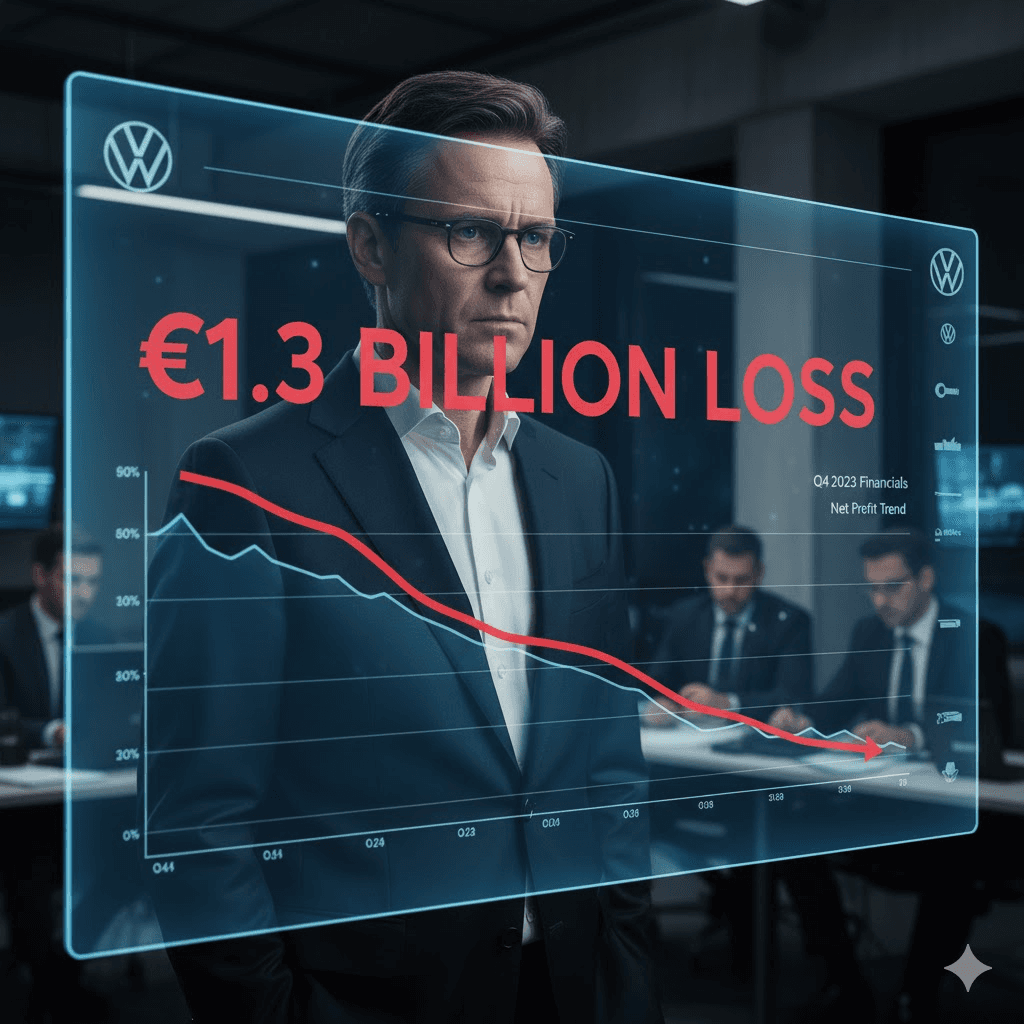
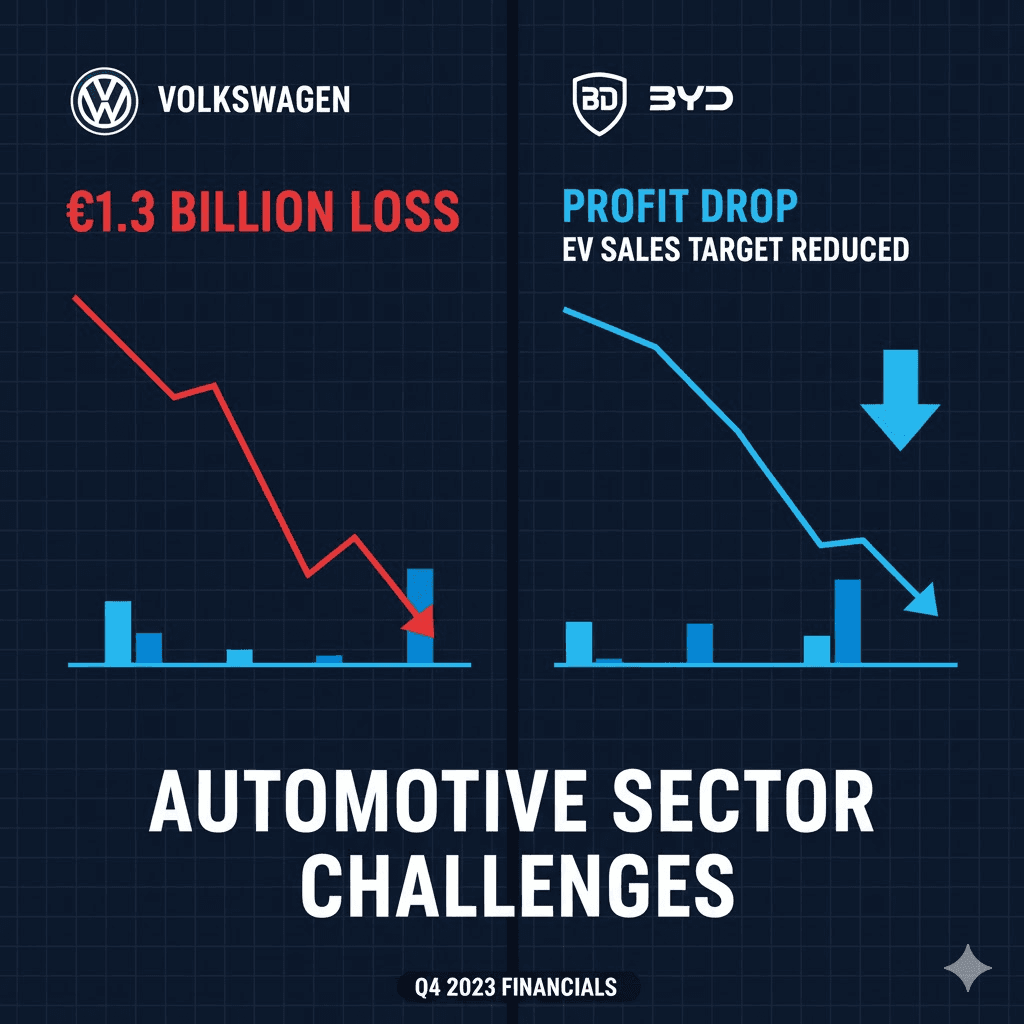
• Volkswagen reported a €1.3 billion quarterly loss due to slowing global demand and rising operational costs.
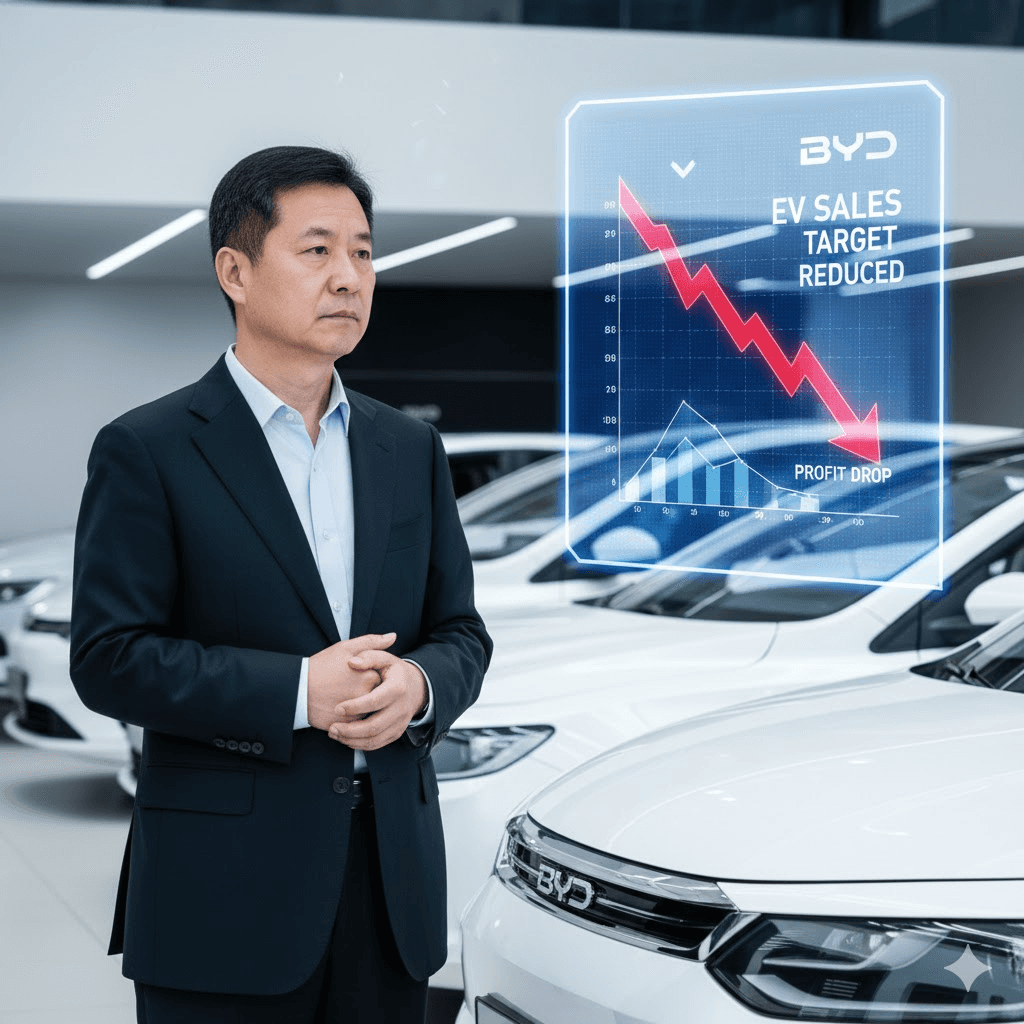
• Chinese EV giant BYD reduced its annual sales target after a decline in quarterly profits.
• The developments highlight rising competitive pressure and economic uncertainty in the global EV and auto markets.
• Both companies are reviewing production strategies, inventories, and long-term electrification plans.
Key Facts
• Volkswagen’s €1.3 billion loss stems from weaker European sales, high manufacturing expenses, and a slowdown in its EV deliveries.
• The automaker is facing increased competition from lower-cost Chinese EV manufacturers.
• BYD, despite being one of the world’s largest EV producers, trimmed its annual sales forecast due to reduced profit margins.
• Price wars in China’s EV market have intensified, affecting profitability across several manufacturers.
• Both companies have signaled potential adjustments to production volumes and future EV investments.
Background
The global auto industry is undergoing a major transformation driven by electrification, shifting consumer preferences, and supply chain disruptions.
Volkswagen has invested billions into its EV transition, but rising costs, market competition, and software delays have pressured earnings.
What it Means
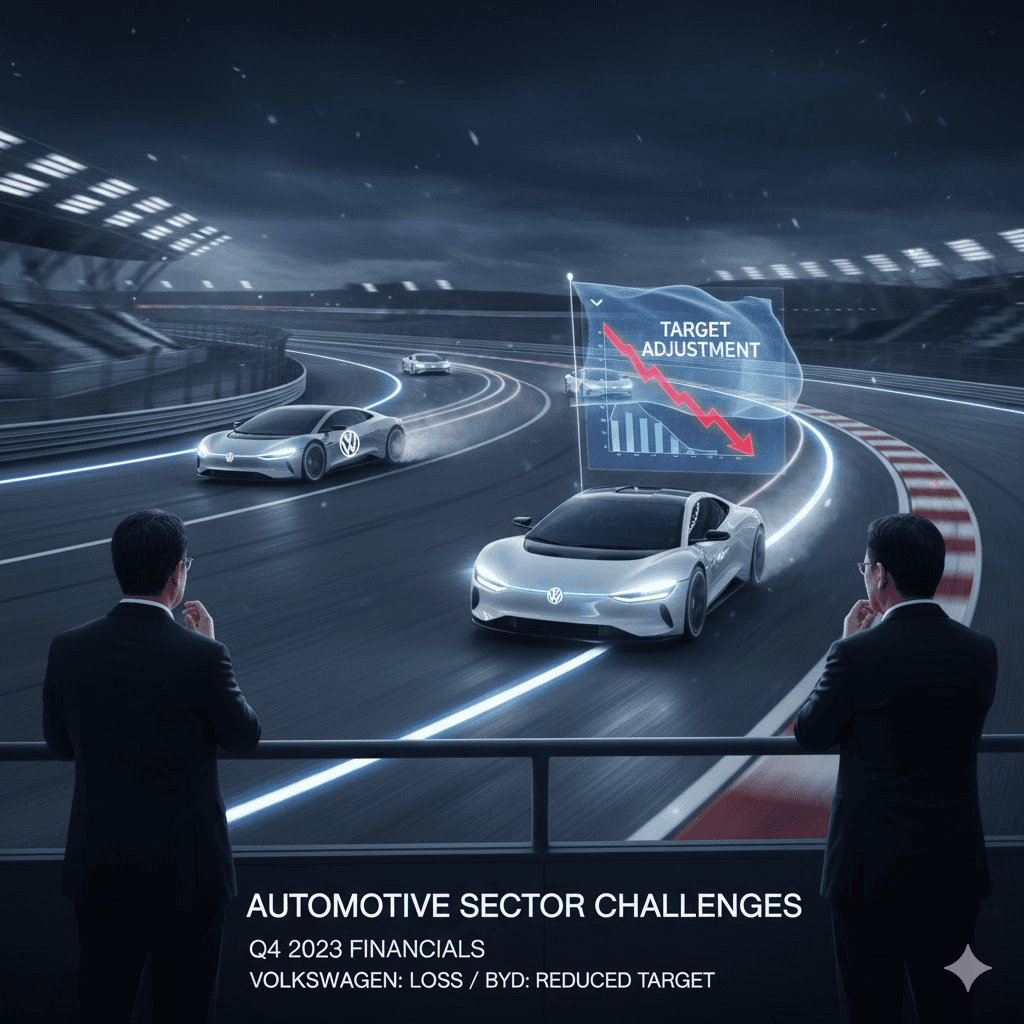
Volkswagen’s loss and BYD’s revised outlook signal broader turbulence in the electric vehicle landscape.
For global automakers, profitability is increasingly difficult as EV production costs remain high and competition accelerates.
Price-sensitive consumers are driving automakers to reduce costs, innovate faster, and rethink EV pricing strategies.
Prime Highlights
• Volkswagen reported a €1.3 billion quarterly loss due to slowing global demand and rising operational costs.
• Chinese EV giant BYD reduced its annual sales target after a decline in quarterly profits.
• The developments highlight rising competitive pressure and economic uncertainty in the global EV and auto markets.
• Both companies are reviewing production strategies, inventories, and long-term electrification plans.
Key Facts
• Volkswagen’s €1.3 billion loss stems from weaker European sales, high manufacturing expenses, and a slowdown in its EV deliveries.
• The automaker is facing increased competition from lower-cost Chinese EV manufacturers.
• BYD, despite being one of the world’s largest EV producers, trimmed its annual sales forecast due to reduced profit margins.
• Price wars in China’s EV market have intensified, affecting profitability across several manufacturers.
• Both companies have signaled potential adjustments to production volumes and future EV investments.
Background
The global auto industry is undergoing a major transformation driven by electrification, shifting consumer preferences, and supply chain disruptions.
Volkswagen has invested billions into its EV transition, but rising costs, market competition, and software delays have pressured earnings.
What it Means
Volkswagen’s loss and BYD’s revised outlook signal broader turbulence in the electric vehicle landscape.
For global automakers, profitability is increasingly difficult as EV production costs remain high and competition accelerates.
Price-sensitive consumers are driving automakers to reduce costs, innovate faster, and rethink EV pricing strategies.
Outlook & Consideration
Volkswagen may adjust its electrification timeline, streamline production, and increase focus on software-driven vehicles to regain competitiveness.
BYD is expected to focus on strategic pricing, international expansion, and cost efficiencies to maintain growth momentum.
Key considerations for the auto sector include battery supply stability, global economic conditions, and government policies on green mobility.
Looking ahead, analysts predict market consolidation, slower short-term EV demand growth, and increased emphasis on affordability and innovation.
Despite current setbacks, long-term EV demand remains strong, but automakers must balance profitability with expansion strategies to navigate the evolving market.
Prime Highlights
• Volkswagen reported a €1.3 billion quarterly loss due to slowing global demand and rising operational costs.
• Chinese EV giant BYD reduced its annual sales target after a decline in quarterly profits.
• The developments highlight rising competitive pressure and economic uncertainty in the global EV and auto markets.
• Both companies are reviewing production strategies, inventories, and long-term electrification plans.
Key Facts
• Volkswagen’s €1.3 billion loss stems from weaker European sales, high manufacturing expenses, and a slowdown in its EV deliveries.
• The automaker is facing increased competition from lower-cost Chinese EV manufacturers.
• BYD, despite being one of the world’s largest EV producers, trimmed its annual sales forecast due to reduced profit margins.
• Price wars in China’s EV market have intensified, affecting profitability across several manufacturers.
• Both companies have signaled potential adjustments to production volumes and future EV investments.
Background
The global auto industry is undergoing a major transformation driven by electrification, shifting consumer preferences, and supply chain disruptions.
Volkswagen has invested billions into its EV transition, but rising costs, market competition, and software delays have pressured earnings.
What it Means
Volkswagen’s loss and BYD’s revised outlook signal broader turbulence in the electric vehicle landscape.
For global automakers, profitability is increasingly difficult as EV production costs remain high and competition accelerates.
Price-sensitive consumers are driving automakers to reduce costs, innovate faster, and rethink EV pricing strategies.
Outlook & Consideration
Volkswagen may adjust its electrification timeline, streamline production, and increase focus on software-driven vehicles to regain competitiveness.
BYD is expected to focus on strategic pricing, international expansion, and cost efficiencies to maintain growth momentum.
Key considerations for the auto sector include battery supply stability, global economic conditions, and government policies on green mobility. Looking ahead, analysts predict market consolidation, slower short-term EV demand growth, and increased emphasis on affordability and innovation.
Outlook & Considerations
Volkswagen may adjust its electrification timeline, streamline production, and increase focus on software-driven vehicles to regain competitiveness.
BYD is expected to focus on strategic pricing, international expansion, and cost efficiencies to maintain growth momentum.
Key considerations for the auto sector include battery supply stability, global economic conditions, and government policies on green mobility.
Looking ahead, analysts predict market consolidation, slower short-term EV demand growth, and increased emphasis on affordability and innovation.
Despite current setbacks, long-term EV demand remains strong, but automakers must balance profitability with expansion strategies to navigate the evolving market.
9/9
9/9
9/9
Volkswagen Posts €1.3 Billion Loss
Volkswagen Posts €1.3 Billion Loss
Volkswagen Posts €1.3 Billion Loss
Author: Jack Laura
Author: Jack Laura
Author: Jack Laura
Date of writing: 23 November 2025
Date of writing: 23 November 2025
Date of writing: 23 November 2025
x
x
English
𐊾