
Prime Highlights
The premium smartphone segment is witnessing intense competition as leading manufacturers unveil new devices packed with high-end features ahead of the holiday season. From ultra-smooth 165 Hz displays to powerful 50 MP triple camera setups and ultra-fast charging technologies, brands are raising the bar to attract tech-savvy and aspirational buyers.
These launches signal a strategic push to dominate year-end sales, traditionally one of the strongest periods for consumer electronics globally.
Key Facts
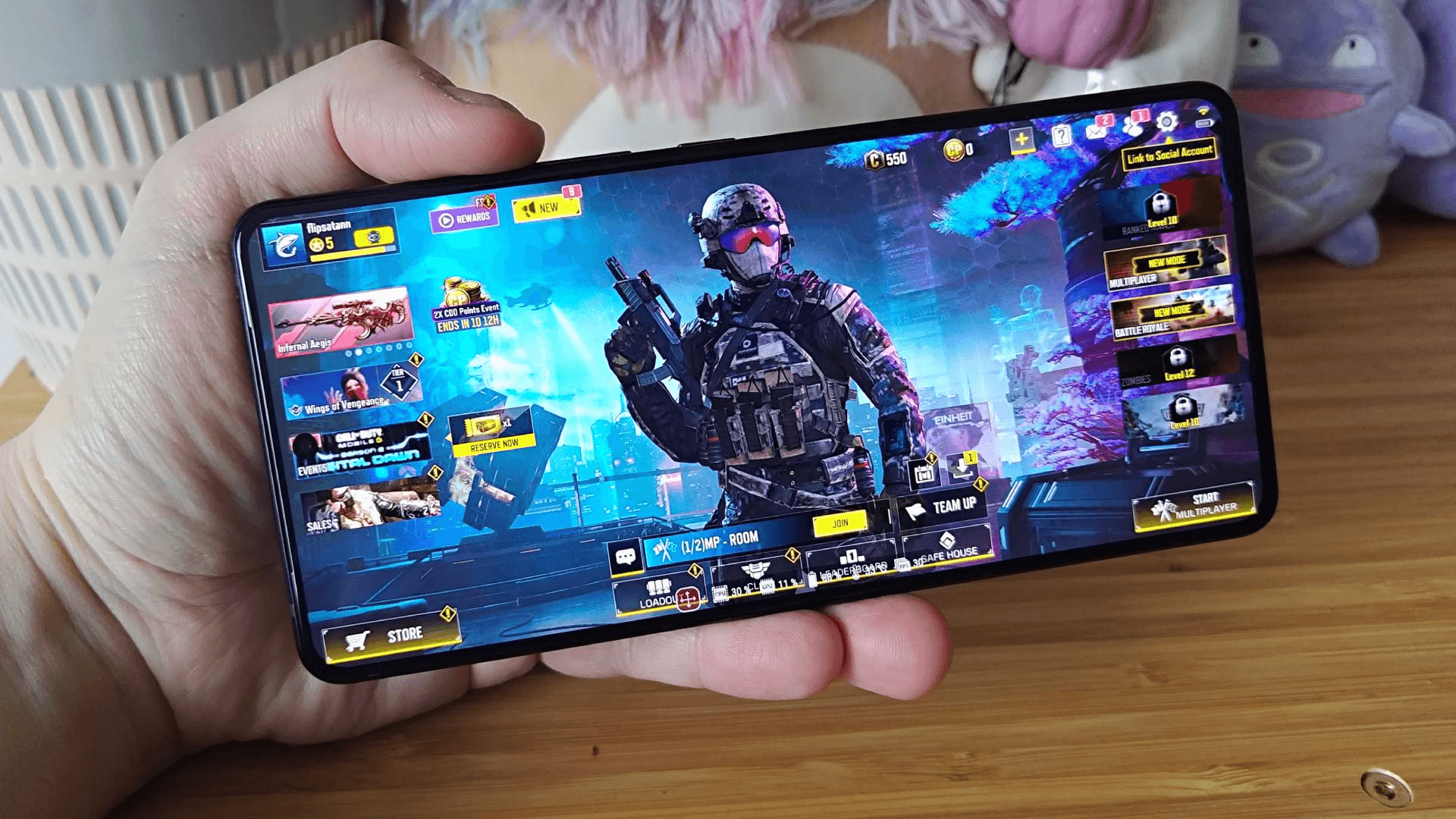
Several flagship and near-flagship smartphones are launching with 165 Hz refresh rate displays, targeting gamers and power users.
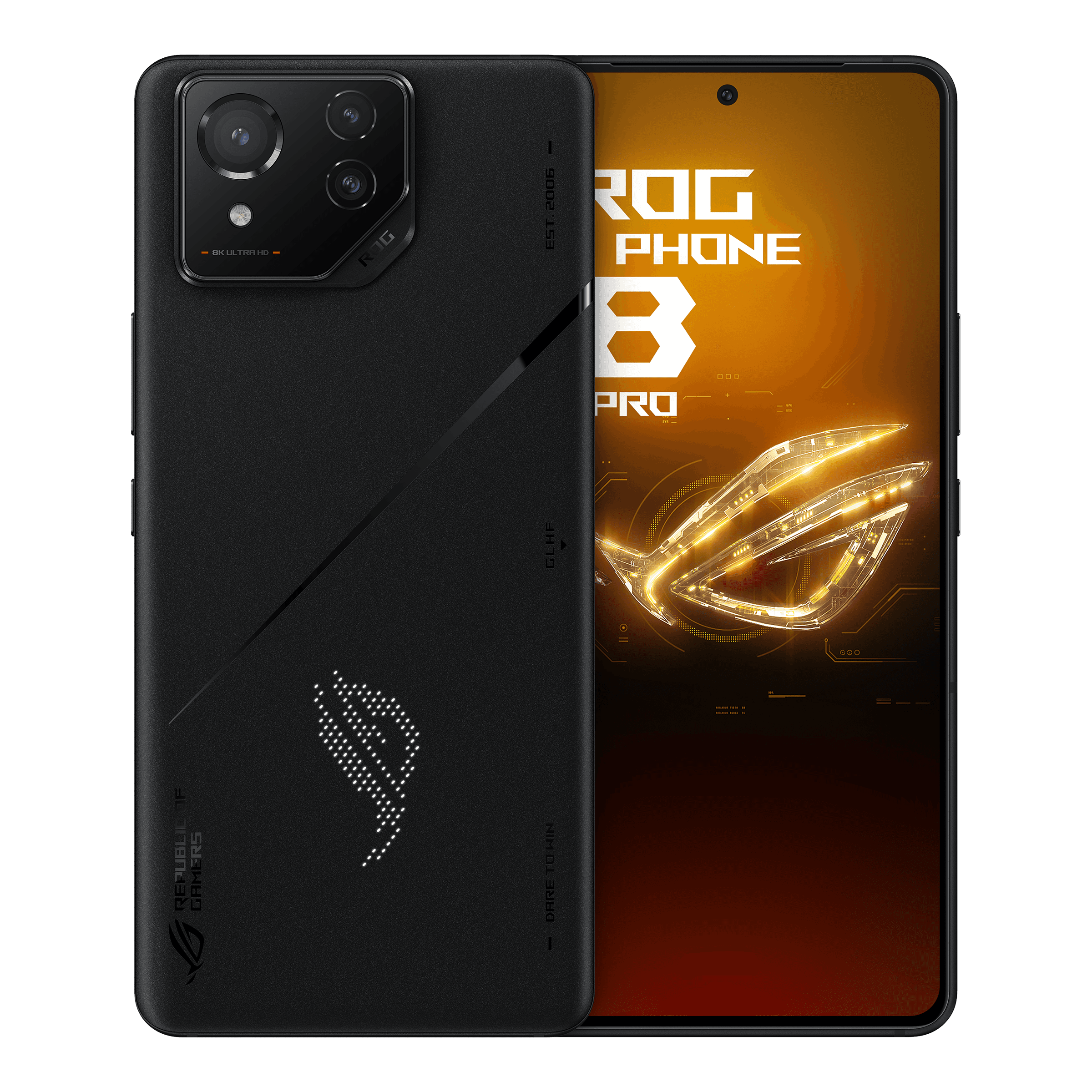
Camera systems now commonly feature 50 MP triple-camera configurations with advanced AI imaging and night photography enhancements.
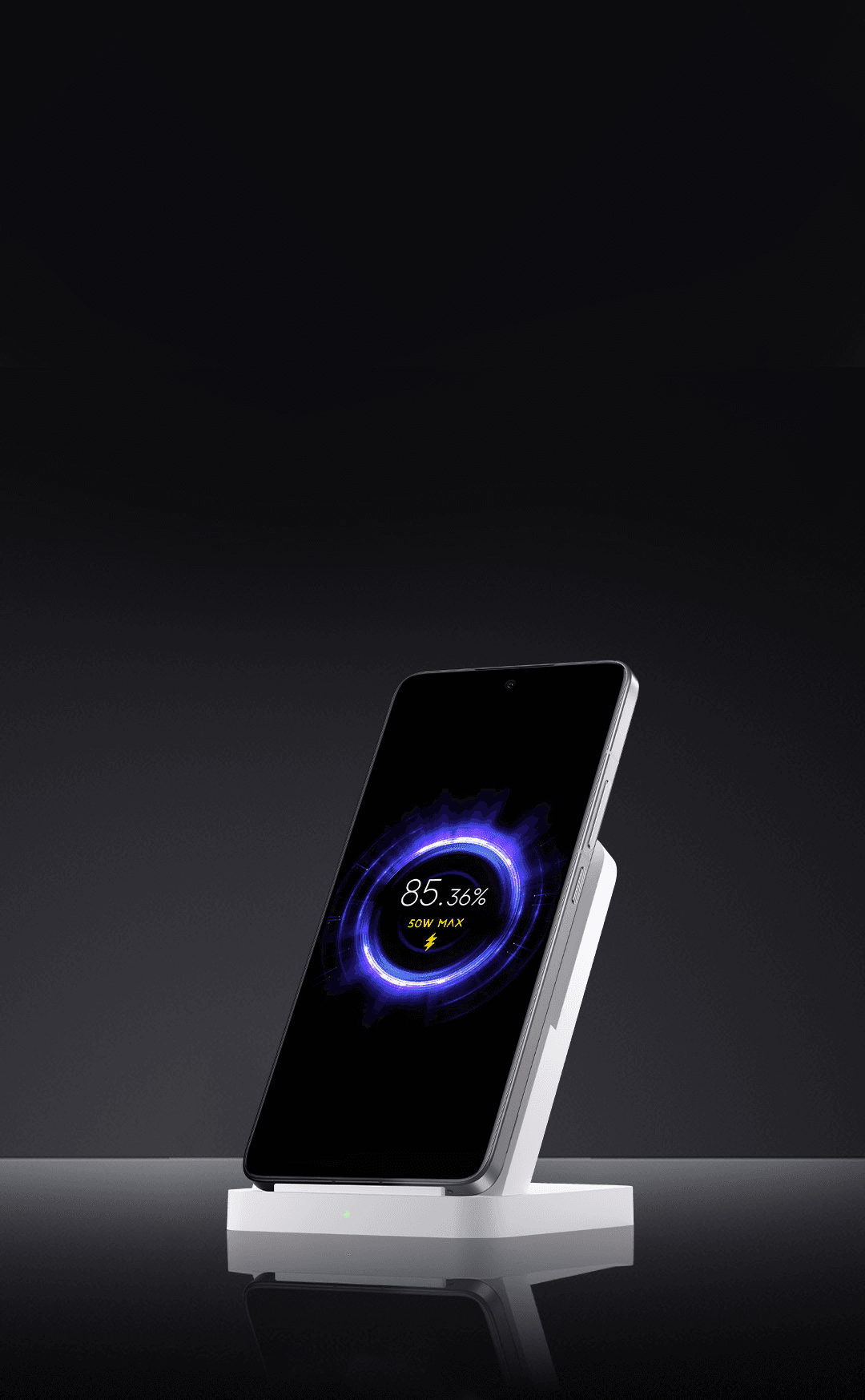
Fast-charging technologies ranging from 80W to over 120W are becoming standard in the premium segment.
Brands are positioning these devices as lifestyle products, not just communication tools, through premium design and materials.
Background
Over the past few years, the smartphone market has seen slower growth in entry-level and mid-range segments due to longer replacement cycles. In contrast, premium smartphones have continued to grow, driven by consumers willing to pay more for performance, design, and ecosystem integration.
What it Means
The surge of feature-rich premium smartphones reflects a shift in consumer expectations. Buyers now demand cutting-edge performance, professional-grade photography, and rapid charging without compromise. For manufacturers, this means higher investment in research, component sourcing, and marketing to justify premium pricing.
Prime Highlights
The premium smartphone segment is witnessing intense competition as leading manufacturers unveil new devices packed with high-end features ahead of the holiday season. From ultra-smooth 165 Hz displays to powerful 50 MP triple camera setups and ultra-fast charging technologies, brands are raising the bar to attract tech-savvy and aspirational buyers.
These launches signal a strategic push to dominate year-end sales, traditionally one of the strongest periods for consumer electronics globally.
Key Facts
Several flagship and near-flagship smartphones are launching with 165 Hz refresh rate displays, targeting gamers and power users.
Camera systems now commonly feature 50 MP triple-camera configurations with advanced AI imaging and night photography enhancements.
Fast-charging technologies ranging from 80W to over 120W are becoming standard in the premium segment.
Brands are positioning these devices as lifestyle products, not just communication tools, through premium design and materials.
Background
Over the past few years, the smartphone market has seen slower growth in entry-level and mid-range segments due to longer replacement cycles. In contrast, premium smartphones have continued to grow, driven by consumers willing to pay more for performance, design, and ecosystem integration.
Manufacturers are now focusing heavily on innovation-led differentiation, introducing features once reserved for niche devices into mainstream premium offerings. The holiday season amplifies this competition as brands aim to capture both gift buyers and upgrade-focused consumers.
What it Means
The surge of feature-rich premium smartphones reflects a shift in consumer expectations. Buyers now demand cutting-edge performance, professional-grade photography, and rapid charging without compromise. For manufacturers, this means higher investment in research, component sourcing, and marketing to justify premium pricing.
This trend also highlights how smartphones are increasingly positioned as entertainment hubs, productivity tools, and status symbols rather than basic communication devices.
Outlook & Consideration
As competition intensifies, brands may face pressure on margins while attempting to outdo each other on specifications. Consumers, however, stand to benefit from faster innovation and more choice in the premium segment.
Looking ahead, the focus is likely to expand beyond hardware features to include AI-driven experiences, software longevity, and ecosystem value. As the holiday season unfolds, the premium smartphone race is set to be one of the most closely watched battles in the consumer technology space.
Prime Highlights
The premium smartphone segment is witnessing intense competition as leading manufacturers unveil new devices packed with high-end features ahead of the holiday season. From ultra-smooth 165 Hz displays to powerful 50 MP triple camera setups and ultra-fast charging technologies, brands are raising the bar to attract tech-savvy and aspirational buyers.
These launches signal a strategic push to dominate year-end sales, traditionally one of the strongest periods for consumer electronics globally.
Key Facts
Several flagship and near-flagship smartphones are launching with 165 Hz refresh rate displays, targeting gamers and power users.
Camera systems now commonly feature 50 MP triple-camera configurations with advanced AI imaging and night photography enhancements.
Fast-charging technologies ranging from 80W to over 120W are becoming standard in the premium segment.
Brands are positioning these devices as lifestyle products, not just communication tools, through premium design and materials.
Background
Over the past few years, the smartphone market has seen slower growth in entry-level and mid-range segments due to longer replacement cycles. In contrast, premium smartphones have continued to grow, driven by consumers willing to pay more for performance, design, and ecosystem integration.
Manufacturers are now focusing heavily on innovation-led differentiation, introducing features once reserved for niche devices into mainstream premium offerings. The holiday season amplifies this competition as brands aim to capture both gift buyers and upgrade-focused consumers.
What it Means
The surge of feature-rich premium smartphones reflects a shift in consumer expectations. Buyers now demand cutting-edge performance, professional-grade photography, and rapid charging without compromise. For manufacturers, this means higher investment in research, component sourcing, and marketing to justify premium pricing.
Outlook & Consideration
As competition intensifies, brands may face pressure on margins while attempting to outdo each other on specifications. Consumers, however, stand to benefit from faster innovation and more choice in the premium segment.
Looking ahead, the focus is likely to expand beyond hardware features to include AI-driven experiences, software longevity, and ecosystem value. As the holiday season unfolds, the premium smartphone race is set to be one of the most closely watched battles in the consumer technology space.
Outlook & Considerations
As competition intensifies, brands may face pressure on margins while attempting to outdo each other on specifications. Consumers, however, stand to benefit from faster innovation and more choice in the premium segment.
Looking ahead, the focus is likely to expand beyond hardware features to include AI-driven experiences, software longevity, and ecosystem value. As the holiday season unfolds, the premium smartphone race is set to be one of the most closely watched battles in the consumer technology space.
5/9
5/9
5/9
Premium Phone Race
Premium Phone Race
Premium Phone Race
Author: Ankit Verma
Author: Ankit Verma
Author: Ankit Verma
Date of writing: 2 December 2025
Date of writing: 2 December 2025
Date of writing: 2 December 2025
x
x
English
𐊾